
Closing day feels like the ultimate finish line after months of paperwork, property tours, and mortgage underwriting. However, for most new homeowners, stepping through the front door with keys in hand is actually the starting line of an entirely new set of ongoing financial and maintenance responsibilities. Between the excitement of receiving the keys and unpacking moving boxes, it is surprisingly easy to overlook the ongoing maintenance costs that were never mentioned during the initial home tour. Many first-time buyers budget carefully for the down payment and initial closing costs, only to be blindsided by unexpected structural, mechanical, or aesthetic expenses that show up within the first few months of ownership.
Budgeting for Unexpected Exterior Overhead and Structural Damage
Home inspections catch a lot of visible issues during the buying process, but they cannot predict every defect that will surface once you are living in a house full time. A small leak that seemed minor during inspection season can quickly turn into a significant, destructive repair after the first heavy rainstorm hits your neighborhood. Needing an emergency roof repair is one of the most expensive and sudden surprises new owners face, especially if the previous owner opted for temporary patches rather than fixing structural wear properly. Setting aside a dedicated repair fund before you even move in can prevent a small flashing leak from turning into a major financial emergency.
It helps to have a clear, realistic sense of what major exterior work actually costs before you are facing an urgent, water-logged situation. Prices vary widely depending on roofing materials, roof pitch, overall square footage, and the extent of underlying water damage to wood decking. Minor shingle replacements can often be handled quickly by local contractors, but service call fees and emergency labor rates can still add up. Full structural replacements represent major capital investments that require long-term financial planning, while storm damage may only be partially covered by insurance policies after high deductibles are met. Gathering multiple professional estimates early helps you compare warranty terms and avoid overpaying for urgent fixes.
Correcting Property Elevation and Yard Water Movement
Many home buyers focus almost exclusively on the interior layout of the house itself and forget to evaluate how rainwater moves across the surrounding property. If the land surrounding the foundation was not properly shaped when the home was built or has settled unevenly over time, heavy rainfall can pool directly against basement walls and cause severe long-term damage. Problems related to improper site grading are rarely highlighted during a basic walkthrough, yet they frequently lead to basement flooding, cracked foundation walls, or soggy lawns that take days to dry out. Correcting these elevation issues is a major project that catches many new homeowners completely off guard.
Addressing these drainage issues early by regrading soil, installing curtain drains, or extending downspouts away from the building envelope is almost always cheaper than repairing cracked basement walls or remediating interior water damage down the line.
Protecting Structural Timber from Hidden Organisms and Rodents
Insect and animal issues often go entirely unnoticed until they have already caused extensive internal damage to a building, which is why ongoing pest management is a recurring expense that catches new owners by surprise. Older structures in particular frequently have small foundation cracks or gap openings that were temporarily sealed by a previous owner but reopen over time due to natural ground settling or severe weather shifts. Termites, wood-boring beetles, mice, and rats can cause thousands of dollars in hidden structural damage if left to multiply unaddressed behind drywall. Scheduling a comprehensive professional inspection, as well as pest control, soon after move-in is one of the smartest ways to identify active pest pressure early. Furthermore, professionally sealing utility line penetrations and roof vents prevents rodents from nesting in attics or destroying electrical wiring. Investing in renewable termite warranties or preventative soil treatments provides long-term financial protection, as early detection and ongoing containment are vastly less expensive than replacing compromised structural support studs.

Upgrading Foundation Materials and Interior Surface Coverings
Flooring is one of those architectural details that photographs well in real estate listings but does not always reveal its true physical condition until you live on top of it every day. Carpeting that looked acceptable during a brief open house showing might reveal deep-seated pet odors, heavy foot-traffic wear, or degraded padding once all the furniture is removed. Many new owners find themselves reaching out to a local flooring company within the first six months of move-in to replace outdated carpet, sand down scratched hardwood flooring, or repair cracked ceramic tiles that were strategically covered by area rugs during showings. Obtaining realistic material and installation quotes before closing day gives you a massive advantage when building your first-year home project budget.
If existing subfloors and hard surfaces are structurally sound but simply showing cosmetic wear, adding local area rugs from regional home decor shops offers a practical, budget-friendly stopgap while you save up for permanent floor replacements. Sourcing floor coverings locally allows you to inspect material quality, color tones, and pile height in person, ensuring they fit your room dimensions perfectly. Utilizing durable rugs in high-traffic hallways, living rooms, and entryways protects underlying wood or tile from further scuffing while immediately improving interior insulation and sound absorption throughout the house.
Refreshing Wall Surfaces and Architectural Elements
Paint colors selected by a previous owner rarely match your personal aesthetic taste, and many new homeowners drastically underestimate how much a full interior repaint costs when tackled room by room. Hiring commercial or residential painters for even a few primary living areas can add up rapidly once professional prep work, drywall patching, priming, and quality paint supplies are factored in. Furthermore, exterior siding and trim painting are often overlooked during initial budgeting, yet weathered paint allows moisture to penetrate wooden siding, accelerating rot and damaging curb appeal over time. Building wall restoration costs into your initial move-in plan prevents surface maintenance from feeling like an unwelcome surprise.
Interior painting expenses fluctuate based on wall heights, ceiling configurations, surface textures, and the total number of coats required to cover dark existing shades. Exterior projects are generally more costly due to the extensive labor involved in pressure washing, scraping loose flakes, caulking gaps, and utilizing scaffolding or specialized ladders. Additionally, touch-up paint cans left behind in the garage by previous owners may have separated, dried out, or discolored over time, meaning they rarely match wall surfaces perfectly. Gathering formal proposals from multiple painting contractors helps you evaluate project timelines, prep standards, and warranty coverage accurately.
Inspecting Heating Systems and Fireplace Inserts
Homes featuring masonry chimneys, wood stoves, or gas hearths often require specialized cleaning and safety checks before they can be operated safely, a detail many buyers skip until the first cold wave arrives. Visiting a local fireplace store or consulting a certified chimney sweep helps clarify whether your setup requires simple creosote removal, a new flue liner, or a modern energy-efficient insert to pass safety standards. Gas log conversions, glass door additions, and hearth masonry repairs are popular visual upgrades, but installation costs and venting modifications can multiply quickly if the original structure was poorly maintained. Arranging a safety evaluation before lighting your first fire protects your property from chimney fires and carbon monoxide hazards.
Maintaining a hearth system also involves ongoing operational costs that new owners must integrate into their winter utility budgets. Wood-burning units require seasoned firewood storage and regular ash removal, while gas inserts rely on continuous pilot lights and annual valve inspections to maintain safe ignition. If a chimney displays structural cracks or missing mortar along the roofline, tuckpointing or rebuilding the stack becomes necessary to prevent water leaks. Taking time to inspect and service these heating features early ensures your home stays warm, safe, and efficient during cold weather.
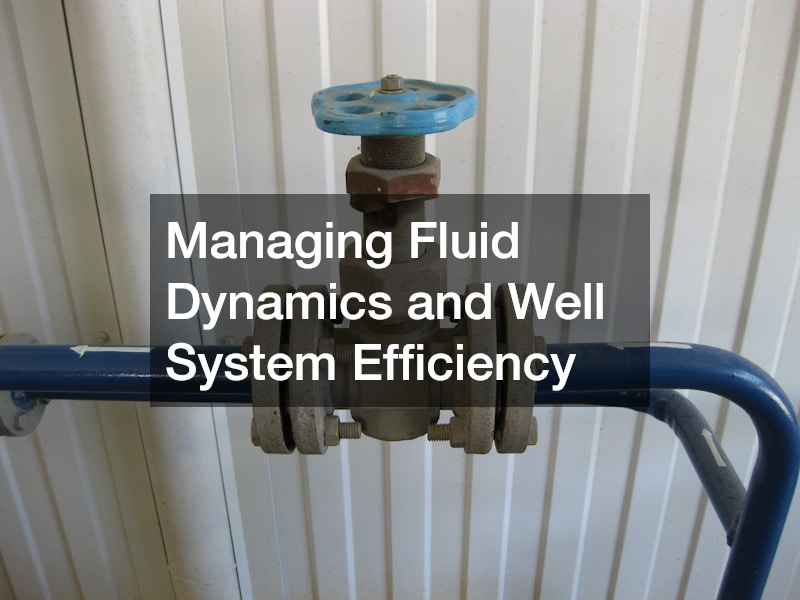
Managing Fluid Dynamics and Well System Efficiency
Properties relying on private wells or septic tanks come with complex equipment responsibilities that homeowners connected to municipal utility networks never have to manage. Well pumps depend on constant hydraulic power to draw groundwater from deep underground aquifers and push it under pressure into your home’s interior plumbing network. When the pump mechanism, pressure tank, or control switches begin to fail, water pressure can drop dramatically or cut out entirely without warning. Repairing or replacing a deep-well pump is a major mechanical expense that catches many new rural and suburban buyers off guard during their first year of ownership.
Septic systems demand similar proactive stewardship to prevent catastrophic drainfield failures and backing-up fixtures. Scheduling routine tank pumping every three to five years, avoiding excessive water usage during storm events, and keeping heavy vehicles off the absorption field are essential habits for preserving system life. Converting from municipal mindsets to private utility management requires understanding equipment mechanics and setting aside dedicated emergency funds. Asking for detailed service records, well-flow tests, and water quality reports prior to purchase helps you project when mechanical components will need replacement.
Establishing Safe Drainage Practices and Appliance Care
Small, daily household habits can quietly cause major plumbing blockages in a new property, and few practices damage residential pipes faster than improper cooking oil disposal. Pouring hot cooking fats, pan drippings, or oils down the kitchen sink drain may seem harmless while liquid, but as grease cools inside the pipes, it solidifies into dense blockages that catch food debris. New homeowners who are accustomed to relying on a landlord’s maintenance team are often shocked to learn that clearing fat-clogged sewer lines falls entirely on their own wallet. Keeping a dedicated metal container on hand to collect cooled cooking grease for solid trash disposal is a simple habit that protects your plumbing system from costly line-clearing services.
In addition to managing fats and oils, maintaining kitchen appliances like garbage disposals, dishwashers, and ice makers extends your plumbing network’s overall operational lifespan. Running cold water while operating disposals, avoiding stringy or fibrous food waste, and routinely clearing filter screens prevents pump strain and line clogs. Replacing rubber washing machine hoses with braided stainless steel lines further minimizes the risk of sudden pipe bursts inside utility rooms. Establishing clean kitchen habits from day one shields your home from preventable water damage and costly emergency service calls.
Aligning Long-Term Wealth Management and Cash Reserves
Beyond addressing immediate physical repairs and routine maintenance projects, new homeowners benefit greatly from stepping back to examine their broader long-term financial picture. Many buyers dedicate so much energy and liquid cash to securing their mortgage approval that they forget ownership requires a continuous, liquid cash buffer for unexpected property needs. Consulting professional financial planners shortly after closing helps you construct a balanced home maintenance fund without cannibalizing your long-term retirement savings or emergency cash reserves. A qualified advisor can help you navigate tax deductions, homestead exemptions, and home equity management while keeping your broader financial goals on track.
A widely accepted rule of thumb recommends setting aside one to three percent of your home’s total purchase value every year in a dedicated, liquid maintenance account. Keeping these funds separate from your standard personal checking account prevents accidental spending and ensures money is readily available when an appliance fails or a roof leaks. Additionally, reviewing your home insurance policy annually ensures that policy limits keep pace with rising construction costs and local property appreciation. Regularly auditing your household budget after your first full year of ownership gives you an accurate baseline for actual utility, tax, and maintenance costs moving forward.
Inspecting Attic Ventilation and Insulation Coverage
Attic spaces play a critical role in regulating a home’s overall energy efficiency, roof lifespan, and indoor air quality, yet they are rarely visited by homeowners after move-in day. Inadequate attic insulation allows warm indoor air to escape during winter months, which can melt snow on the roof surface and create destructive ice dams along the eaves. In summer, poor attic ventilation traps heat, forcing your central air conditioning unit to work significantly harder to cool the living spaces below. Upgrading insulation materials and installing proper soffit or ridge vents balances indoor temperatures and lowers monthly energy bills.
Proper attic management also includes checking for signs of roof leaks, wood rot, or mold growth along the underside of the roof decking. Condensation can build up quickly if bathroom exhaust fans vent directly into the attic cavity rather than out through the roof or sidewall. Ensuring all exhaust ducts vent outdoors and sealing air leaks around recessed lights prevents moisture from accumulating in ceiling joists. Taking time to inspect and upgrade your attic space protects your structural framing while maximizing year-round energy comfort.
Servicing Main Water Lines and Pressure Regulators
The hidden network of supply pipes delivering fresh water throughout your home operates under continuous pressure, making it vulnerable to sudden leaks or fitting failures over time. Municipal water supply pressure can fluctuate significantly, and incoming pressure exceeding eighty pounds per square inch can strain pipe joints, appliance valves, and water heaters. Installing or replacing a main water pressure regulator keeps household pressure within a safe operating range, protecting your plumbing fixtures from premature wear and stress ruptures. Replacing old gate valves with modern, reliable quarter-turn ball valves ensures smooth operation when an emergency occurs. Inspecting exposed supply lines, water heaters, and outdoor hose bibbs seasonally keeps your plumbing system secure and functional.
Establishing Seasonal Upkeep Schedules and Maintenance Protocols
Sustaining a safe, comfortable, and valuable property over many years relies on establishing clear, repeatable seasonal maintenance schedules for every major house system. Creating a simple checklist for spring, summer, fall, and winter tasks ensures that basic upkeep items—such as clearing rain gutters, testing smoke detectors, replacing HVAC filters, and servicing water heaters—are completed on time. Tracking these tasks in a home maintenance journal or digital app helps you monitor component ages, record contractor visits, and retain warranty documentation for future reference.
Ultimately, successful homeownership is built on a foundation of continuous observation, thoughtful financial planning, and timely maintenance decisions. Taking the time to inspect your property critically, build a dedicated cash reserve, and partner with qualified trade professionals insulates your household against sudden financial shocks. Start by walking through your new property with a practical eye, identifying upcoming service needs, and establishing a realistic maintenance budget today. Taking these foundational steps early allows you to enjoy the comfort, security, and pride of your new home with complete peace of mind for years to come.