Key Takeaways
- Fresh construction in 2026 can be surprisingly competitive on price compared to resale homes, though hidden costs like land, permits, and landscaping often inflate the final number.
- Labor shortages across the residential construction sector are driving longer timelines and higher bids for custom projects this year.
- Customization, energy efficiency, and modern layouts are the strongest arguments in favor of starting from scratch rather than buying existing inventory.
- Delays, decision fatigue, and financing complexity remain the biggest practical hurdles for first-time builders.
- Local permit activity and completion rates are useful indicators of how fast your area can realistically deliver a finished house.
- Weighing lifestyle fit against total cost of ownership matters more than chasing the lowest sticker price.
The housing market has entered an unusual stretch. Mortgage rates have settled into a new normal, resale inventory remains thin in many metros, and buyers are reconsidering whether an existing home actually offers the best value. For a growing share of shoppers, a blank lot and a set of blueprints suddenly look more appealing than a fixer-upper with dated wiring.
Part of this shift is practical. Builders have adjusted their product mix toward smaller, more efficient floor plans, and incentives like rate buydowns are common on spec homes. Part of it is emotional. After years of bidding wars on tired properties, the idea of choosing your own cabinets and insulation levels carries real weight.
Still, the decision is layered. Construction involves variables that resale buyers never touch, from soil testing to builder solvency. Understanding what has actually changed in 2026 is the first step toward making a sound call.
What Does New Construction Really Cost in 2026?
Sticker shock is the first obstacle most prospective builders face, but the numbers deserve context. According to OpenDoor, the national average cost to construct a single-family home sits at roughly $323,000 this year, with the typical range stretching from about $139,000 on the modest end to $531,000 for larger or higher-finish projects. Location, square footage, and material choices move that figure dramatically.
What often surprises buyers is how new construction compares head-to-head with resale. Data from the National Association of Home Builders shows that in the second quarter of 2026, newly built homes carried a median price about $25,000 below their existing-home counterparts, with new builds at $410,700 and existing single-family homes at $435,700. That gap flips the old assumption that new is always pricier.
The Line Items That Catch People Off Guard
The headline price rarely tells the whole story. When you build new home from the ground up, the base contract typically excludes several categories that quietly add tens of thousands of dollars. Land acquisition, site preparation, utility hookups, driveways, and final landscaping are the usual culprits. Buyers who budget only for the structure itself tend to run short before move-in day.
Is There Actually Enough Capacity to Build?
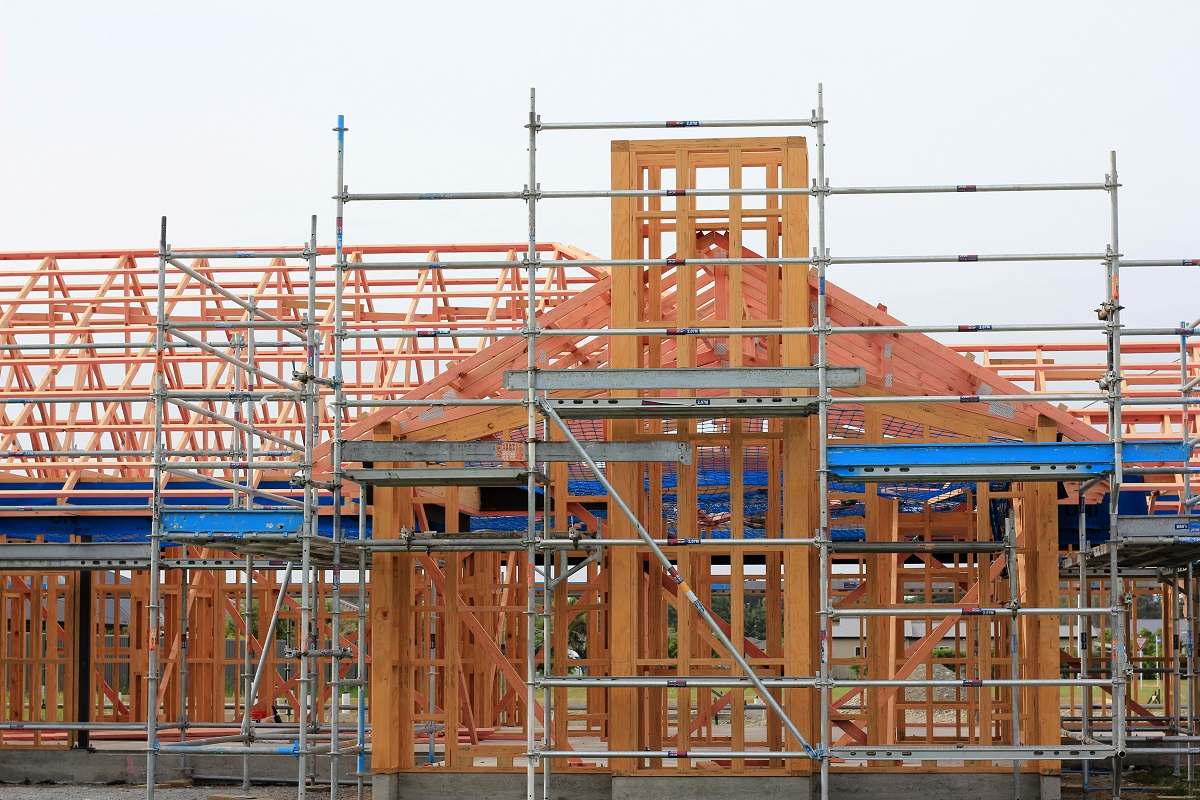
Supply-side pressure is one of the defining stories of 2026. The Associated Builders and Contractors industry group has warned that the sector needs roughly 350,000 additional workers this year just to keep pace with demand. That shortfall ripples through every project, from framing crews to electricians.
For buyers, this translates into longer timelines, more subcontractor turnover, and firmer pricing. Builders who might have negotiated a year ago now hold their margins because they can. Smaller custom builders are especially stretched, since they compete with national firms for the same tradespeople.
On the output side, the U.S. Census Bureau reported that September 2026 saw 1.4 million building permits issued and roughly 1.19 million housing completions. The gap between permits and finished homes hints at how much is still queued up in the pipeline, which affects local wait times depending on where you plan to break ground.
Weighing the Pros and Cons of Building a New Home
Every major purchase involves trade-offs, and construction is no exception. The pros and cons of building a new home tend to fall into predictable categories, but the weight each one carries depends heavily on your timeline, budget flexibility, and tolerance for decision-making. Two buyers can look at the exact same spec sheet and walk away with opposite conclusions, which is why it helps to break the decision down into tangible factors rather than relying on gut reaction or anecdotes from friends who built five or ten years ago in a very different market.
On the positive side, buyers typically point to:
- Full control over layout, finishes, and energy systems, from the number of bedrooms upstairs to the orientation of the kitchen island and whether the primary suite sits on the main floor
- Lower maintenance costs during the first several years, since every mechanical system, roof shingle, and appliance is brand new and still well within its expected service life
- Modern code compliance, including updated electrical and plumbing, better insulation values, impact-rated windows in storm-prone regions, and ventilation systems that reflect current indoor air quality standards
- Warranty coverage on structural elements and major components, often with tiered protection that lasts one year on workmanship, two years on systems, and up to ten years on structural defects
- The ability to future-proof for solar, EV charging, or aging in place by pre-running conduit, reinforcing walls for grab bars, widening doorways, or sizing the electrical panel to handle tomorrow’s loads instead of yesterday’s
The drawbacks are just as real:
- Construction timelines that routinely stretch past original estimates, with weather delays, inspection backlogs, and material shortages adding weeks or even months to the handover date
- Decision fatigue from hundreds of small design choices, ranging from cabinet pulls and grout color to door hardware finishes, each of which can feel trivial on its own but exhausting in aggregate
- Draw-schedule financing that can be harder to secure than a standard mortgage, often requiring larger down payments, higher interest rates during construction, and detailed documentation at each disbursement milestone
- Limited recourse if a builder underperforms or goes out of business, which can leave homeowners negotiating with subcontractors, insurance carriers, or state licensing boards to finish or fix the project
Reasonable people land on different sides depending on which of these items affects them most. A buyer with a flexible move-in date and strong savings reserve will experience the process differently than one trying to time a lease expiration, coordinate a school-year move, or sell an existing home in a soft market. Someone who enjoys design decisions and has the bandwidth to visit the site weekly may find the journey rewarding, while a buyer juggling a demanding job and young children may feel buried by it. Before you decide to build new home from the ground up, it is worth honestly assessing not just the financial picture but your appetite for the day-to-day realities of a construction project.
When Renovation Beats New Construction
Not every situation calls for a fresh foundation. Existing homeowners especially face a different calculus, since they already have equity, familiar neighborhoods, established landscaping, and a mortgage that may be locked in at a rate far below what today’s market offers. Walking away from a sub-4% loan to build new at current rates can quietly erase tens of thousands of dollars in long-term interest savings, which rarely shows up in the initial pros and cons of building a new home conversation. The question of building vs adding on deserves careful thought before anyone commits to tearing up a lot.
Additions and major remodels preserve location, which is often the single most expensive variable in real estate. If your current block has strong schools, short commutes, or walkable amenities, replicating that on a buildable lot elsewhere may cost far more than the renovation itself. Older homes also tend to sit on larger lots in established areas, something new subdivisions rarely match. A 1960s ranch on a quarter-acre lot with mature oaks, underground utilities, and a 15-minute commute to downtown is a package that simply cannot be reproduced in a greenfield development 30 miles out. Factor in existing fencing, irrigation, driveways, and even a functioning septic or sewer tap, and the renovation starts with tens of thousands of dollars in infrastructure already paid for.
There’s also a timeline advantage worth weighing. A well-scoped remodel can wrap in three to six months, while the decision to build new home from scratch often stretches 12 to 18 months once you count land acquisition, permits, design, and construction delays. For families juggling school calendars or dual careers, that compressed timeline alone can tip the scales.
Where Remodeling Falls Short
That said, renovation has ceilings. Structural limitations, outdated foundations, and the surprise discoveries that come with opening up old walls can push a remodel budget past what new construction would have cost. Knob-and-tube wiring, galvanized plumbing, asbestos tile, lead paint, and undersized floor joists are the kinds of findings that turn a $90,000 kitchen refresh into a $160,000 gut job once contractors are halfway through demo. Permitting authorities also increasingly require full code upgrades once a project crosses certain thresholds, meaning a planned second-story addition can trigger mandatory sprinkler systems, egress window replacements, or seismic retrofits.
Energy performance is another weak point, since retrofitting insulation and sealing an older envelope rarely matches what you get in a code-current build. Even aggressive upgrades like spray-foaming rim joists, replacing windows, and adding heat pumps can only do so much when the underlying framing cavities, roof geometry, and air barriers were never designed with modern efficiency targets in mind. For homeowners whose primary goal is lower utility bills, better indoor air quality, or net-zero readiness, the renovation path often delivers diminishing returns compared to starting fresh.
The Advantages and Drawbacks of Starting From Scratch
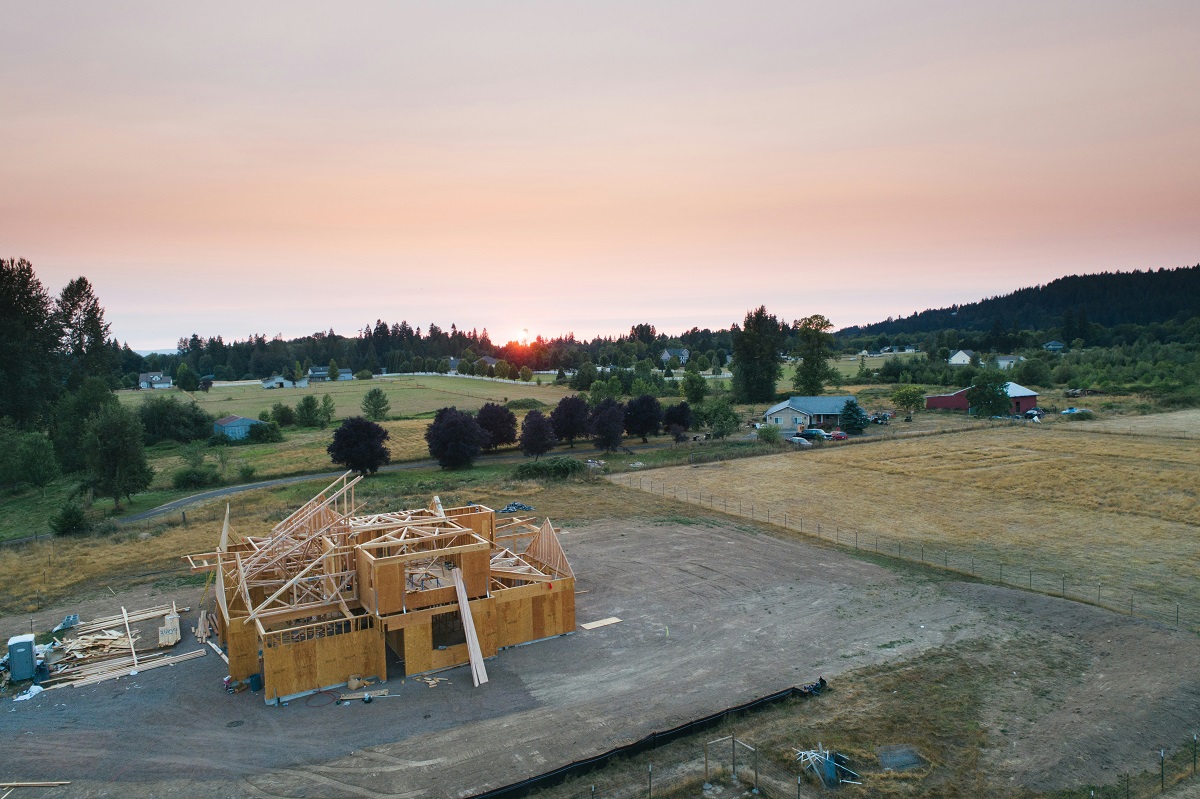
Beyond cost, the lifestyle factors tilt the scale for many families. A ground-up project lets you align the home with how you actually live rather than adapting to someone else’s choices. Open-concept kitchens, dedicated work-from-home spaces, oversized garages, and primary suites on the main floor are easier to specify when nothing is set in stone.
Energy efficiency is a quieter but significant benefit. Current building codes require tighter envelopes, better windows, and higher-performing HVAC systems than most homes sold a decade ago. Over a long ownership horizon, those monthly utility savings compound into real money, and resale buyers increasingly ask about efficiency ratings before making offers.
The drawbacks are harder to romanticize. Living through a build means paying for housing twice if your current lease or mortgage overlaps with construction. Supply chain hiccups can idle a project for weeks over a single backordered component. And the emotional toll of watching your home go up in slow motion, with every weather delay feeling personal, is something no spreadsheet captures.
Lifestyle Fit Versus Pure Economics
Buyers who focus only on price per square foot often miss the point. A home that matches your routines, hobbies, and family structure delivers value that resale comparables cannot measure. The reverse is also true. A custom house in the wrong school district or an hour from your office quickly loses its shine, no matter how beautiful the kitchen looks on moving day.
How to Decide What Fits Your Situation
The right answer depends on inputs that only you can supply. Before committing either direction, work through a few honest questions:
- How firm is your move-in deadline, and what happens if it slips by six months?
- Do you have cash reserves beyond the construction loan to cover overages?
- Is your target neighborhood actually buildable, or are the available lots on the fringes?
- How much decision-making energy can you realistically spend over 12 to 18 months?
- Would a lightly used home from the past five years satisfy most of your must-haves?
Running through this list usually clarifies which path aligns with your reality. Buyers who answer honestly often discover their assumptions were based on what friends did rather than what they actually need.
Talking to Builders Before You Commit
Interviewing multiple builders is non-negotiable. Ask about their current backlog, how they handle change orders, and what their warranty actually covers after year one. Request references from clients who closed at least two years ago, since early-year satisfaction and long-term satisfaction often diverge. Pay attention to how clearly a builder explains their allowances, because vague numbers at contract signing almost always resurface as painful surprises later.
The Bottom Line
The 2026 market has rewritten some of the old rules about new construction. Price gaps have narrowed, incentives on spec inventory are real, and buyers who once dismissed construction as too expensive are taking a second look. At the same time, labor constraints and permit backlogs mean that choosing this path still requires patience and a willingness to absorb uncertainty.
What matters most is matching the decision to your situation rather than following a trend. A buyer with time, savings flexibility, and a clear vision of how they want to live will likely find construction rewarding. Someone who needs to be in a home by a specific date, or who values an established neighborhood over a custom floor plan, is probably better served by the resale market or a thoughtful renovation.
Whichever direction you lean, treat the choice as a long-term commitment rather than a short-term transaction. The home you select or create this year will shape your daily routines, your finances, and your sense of place for a decade or more. Taking the time to weigh the full picture, not just the sticker price, is what separates a decision you celebrate from one you second-guess.