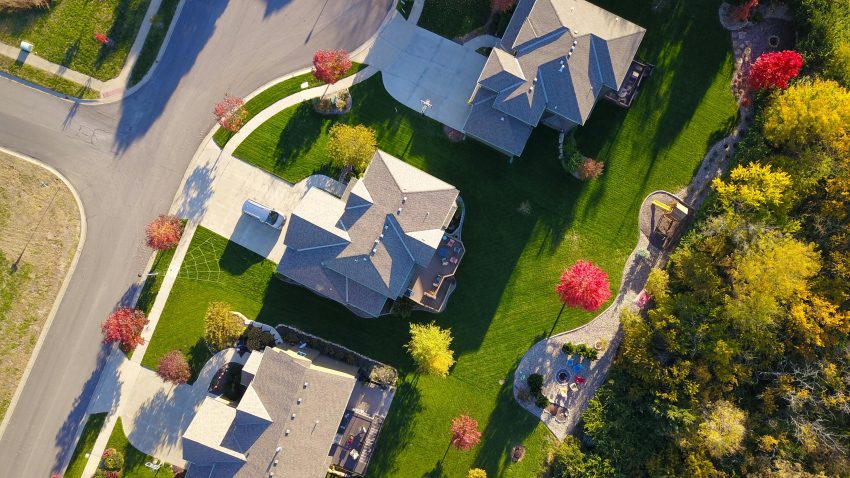
- Cost differences: Spec homes are generally more affordable and offer predictable pricing, while custom homes can be significantly more expensive depending on design and materials.
- Timeline considerations: Spec homes are usually move-in ready, whereas custom homes can take several months to over a year to complete.
- Location flexibility: Custom homes offer more choice in lot selection and unique views, while spec homes are typically in planned communities with pre-selected lots.
- Design and personalization: Custom homes allow full creative control over layouts, finishes, and features, while spec homes offer limited customization options.
- Financing and investment: Spec homes are easier to finance with standard mortgages, while custom homes may require construction loans but have higher long-term value potential.
- Maintenance and warranties: Spec homes often come with standard builder warranties and lower upkeep, while custom homes may require specialized maintenance and variable warranty coverage.
When it comes to buying a new home, one of the biggest decisions you’ll face is whether to go with a spec home or a custom home. Both options have their advantages and challenges, and the right choice depends on your budget, timeline, design preferences, and long-term goals. In this article, we’ll break down everything you need to know about spec home vs custom home so you can make an informed decision.
What is a Spec Home?
A spec home, short for “speculative home,” is built by a developer or builder without a specific buyer in mind. These homes are often constructed based on popular designs and market trends. Once the home is completed, it’s put up for sale to the general public.
Key features of spec homes:
- Built quickly and efficiently
- Move-in ready when purchased
- Typically located in new subdivisions
- Limited personalization options
Spec homes appeal to buyers who want a brand-new house without waiting for months or even years for construction. They’re also ideal if you’re not picky about every detail and just want a home that looks modern and is ready to live in.
What is a Custom Home?
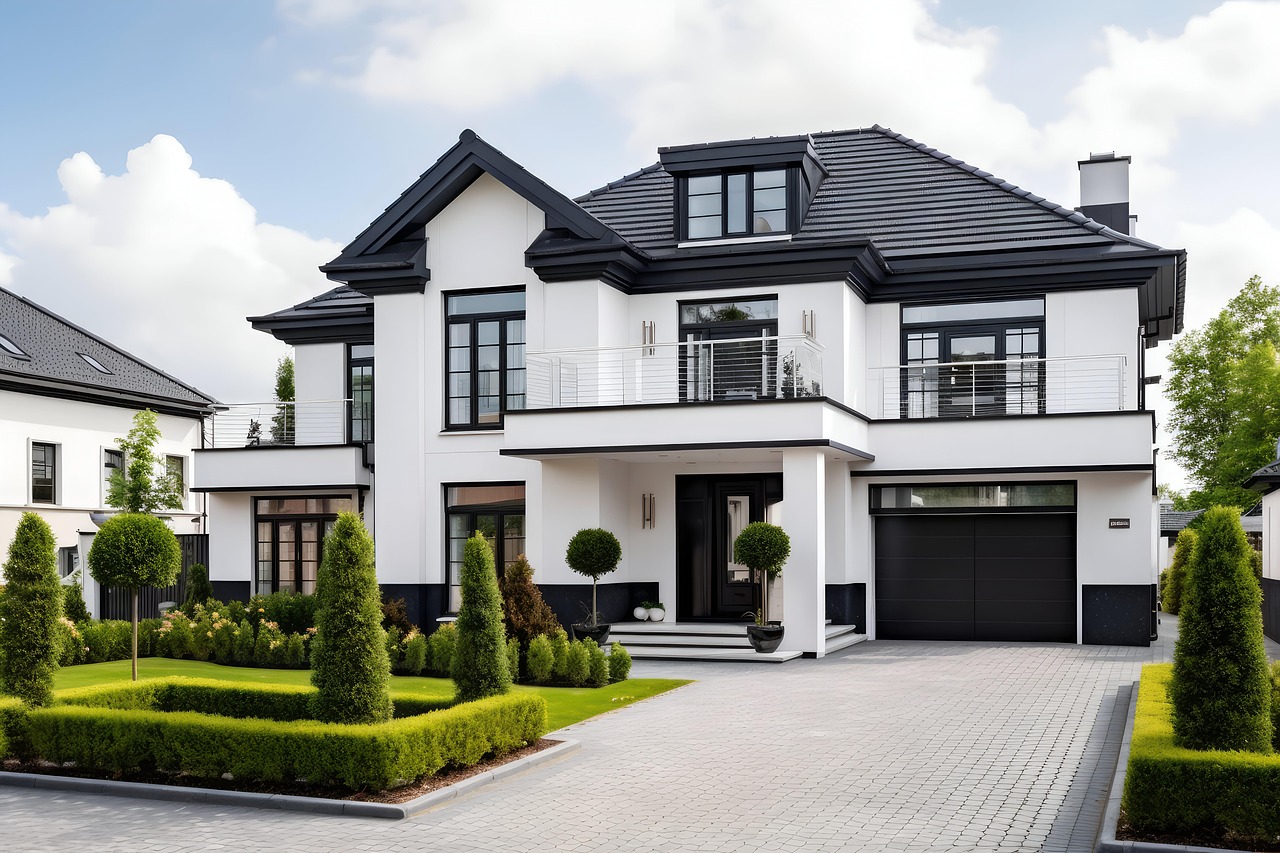
A custom home is designed and built specifically for an individual buyer. From the floor plan to finishes and materials, almost every aspect can be personalized to fit your lifestyle and taste.
Key features of custom homes:
- Fully customizable floor plans and designs
- Higher level of personal input in materials and finishes
- Often built on land you already own
- Longer construction timeline
Custom homes give you full creative control, allowing you to build a home that perfectly matches your vision. However, this level of customization often comes with a higher price tag and more time investment.
How Do Spec Homes and Custom Homes Differ in Cost?
Cost is one of the first and most important factors buyers consider when comparing spec home vs custom home. Understanding the nuances can help you make a decision that fits your budget and expectations.
Spec Home Costs:
- Lower per square foot: Because builders construct spec homes in bulk or follow pre-planned designs, they often benefit from economies of scale. Materials are purchased in larger quantities, and labor is streamlined, making the cost per square foot lower than a custom-built home.
- Predictable pricing: Spec homes usually come with a set price, reducing surprises along the way. Buyers know the final cost upfront, including standard finishes and fixtures.
- Limited upgrades: While some spec homes allow minor upgrades (like cabinet finishes or flooring options), major customizations are often restricted. This limitation keeps costs more manageable and prevents unexpected expenses.
Custom Home Costs:
- Variable and project-specific: Custom homes can range widely in price depending on the design complexity, square footage, and quality of materials. High-end features like marble countertops, custom cabinetry, or intricate architectural details can significantly increase costs.
- Upgrades add up quickly: Every unique feature, from built-in entertainment systems to outdoor kitchens, can raise the total cost. Budgeting carefully for upgrades is crucial to avoid going overboard.
- Hidden expenses: Permits, design changes, and special material sourcing can lead to unexpected costs if not carefully planned. Working with an experienced builder can help manage these surprises.
Bottom line: If your priority is affordability and a quicker move-in, a spec home is likely your best bet. If you’re willing to invest more for personalization and luxury, a custom home can deliver a home that reflects your style and preferences.
Timeline: Which Option Saves Time?
The timeline for getting into your new home is another key consideration in the spec home vs custom home debate.
Spec Homes:
- Move-in ready: Most spec homes are already built or nearing completion, allowing you to move in within weeks or months rather than years.
- Quick process: Since the home is pre-designed and construction is largely complete, buyers don’t need to wait for architectural plans, permits, or lengthy construction timelines.
Custom Homes:
- Longer construction period: Depending on the complexity of your design and any permit requirements, building a custom home can take anywhere from several months to over a year. Delays can occur due to weather, material shortages, or design changes.
- Multiple stages: Custom homes often require multiple approval steps—architectural plans, financing approvals, and inspections—which can add time to the overall process.
Bottom line: If moving in quickly is a priority, spec homes provide a faster solution. Custom homes, on the other hand, require patience but offer the reward of a fully tailored living space.
Location: Does it Affect Your Choice?
Where your home is located can play a major role in whether you lean toward a spec home or a custom home.
Spec Homes:
- Planned communities: Spec homes are often built in subdivisions with multiple similar homes. This can provide a sense of community, nearby amenities, and cohesive neighborhood design.
- Pre-selected lots: The location options are typically predetermined by the developer, so you may have limited flexibility in choosing a lot with a unique view or extra privacy.
- Community perks: Many spec homes are part of developments that include parks, walking trails, pools, and other amenities.
Custom Homes:
- Flexible land options: You can build on your existing property or select a lot in a location that suits your lifestyle. Want a home near the water or tucked into a wooded area? Custom builds allow this freedom.
- Unique layouts and views: Since you control the site selection, you can maximize views, sunlight, or privacy in ways that spec homes often cannot accommodate.
Bottom line: If location flexibility is crucial, a custom home is the clear winner. If you’re comfortable with a new subdivision and want access to built-in community amenities, a spec home can be ideal.
Design and Personalization: How Much Control Do You Want?
One of the most significant differences between spec home vs custom home is how much influence you have over the home’s design.
Spec Homes:
- Limited personalization: Builders select the majority of finishes, layouts, and exterior styles. Buyers can usually choose minor options like paint color or flooring type.
- Simplified process: The quick selection process makes it easier for buyers who don’t want to spend months making design decisions.
- Standard layouts: Rooms and floor plans are designed to appeal to a broad audience, which may not perfectly fit your lifestyle.
Custom Homes:
- Full creative control: You decide the layout, room sizes, finishes, and even the placement of windows and doors. From kitchens to home theaters, every detail can reflect your needs.
- Unique features: Want a gym, wine cellar, or secret room? Custom homes allow for creative and functional additions.
- Tailored to lifestyle: Customization ensures the home is not only beautiful but also practical for your daily routines.
Bottom line: If personalization matters most, a custom home is the way to go. For buyers prioritizing convenience and speed, spec homes are an efficient solution.
Financing and Investment Considerations

Financing your home can differ depending on whether you choose a spec home or a custom home, and it’s important to understand how it impacts long-term investment.
Spec Homes:
- Easier financing: Since the home is already built, traditional mortgages can be used. The process is straightforward and familiar to lenders.
- Predictable resale value: Spec homes are designed to appeal to a broad market, which usually means consistent demand and predictable resale potential.
Custom Homes:
- Construction loans needed: Custom homes often require phased loans that cover construction milestones. Lenders may require more documentation and inspections throughout the building process.
- Potential for higher long-term value: A well-designed custom home in a desirable location may appreciate more than a standard spec home, especially if it includes premium finishes or unique features.
Bottom line: Spec homes offer simplicity and predictability in financing, while custom homes may require more planning but offer greater long-term value.
Maintenance and Warranties: What to Expect
Maintenance requirements and warranties differ between spec homes and custom homes, and these factors can influence your long-term satisfaction.
Spec Homes:
- Builder warranties included: Most spec homes come with warranties that cover structural defects, plumbing, and major systems, giving buyers peace of mind.
- Standard materials: Materials are often chosen for durability and low maintenance, reducing immediate upkeep needs.
Custom Homes:
- Variable warranties: Coverage depends on the builder and the materials selected. Some high-end features may have limited or specialized warranty protection.
- Specialized maintenance: Unique designs or premium materials may require extra care, such as specialized cleaning or seasonal maintenance.
Bottom line: Understanding warranty coverage and maintenance responsibilities can prevent surprises and help you plan for long-term upkeep.
Pros and Cons: Spec Home vs Custom Home
Here’s a detailed summary of the key advantages and disadvantages of each option:
Spec Home Pros:
- Move-in ready, with minimal waiting
- Lower overall cost per square foot
- Standardized design simplifies decision-making
- Often located in established or growing communities
Spec Home Cons:
- Limited personalization options
- Less flexibility in choosing the perfect lot
- Homes may feel generic or similar to neighbors
Custom Home Pros:
- Complete control over design, layout, and materials
- Tailored to fit your lifestyle and preferences
- Greater potential for long-term value and resale appeal
- Opportunity to incorporate unique features and luxury elements
Custom Home Cons:
- Higher overall cost and potential for unexpected expenses
- Longer construction timeline, requiring patience
- More complex financing, permitting, and planning processes
How to Decide: Key Questions to Ask Yourself
When weighing spec home vs custom home, asking the right questions can guide your decision:
- How soon do I need to move in?
- What is my budget for the home and potential upgrades?
- How important is personalizing my living space?
- Do I have a preferred location or lot in mind?
- Am I willing to manage the construction process?
- How important is resale value or investment potential?
Answering these questions honestly will help you identify which option aligns with your priorities and lifestyle.
Tips for Buying a Spec Home
If you lean toward a spec home, consider these tips:
- Visit multiple spec homes to compare designs and finishes
- Research the builder’s reputation and past projects
- Check the warranty coverage carefully
- Inspect the home thoroughly before finalizing the purchase
- Consider potential upgrades early to avoid costly changes later
Tips for Building a Custom Home
If a custom home is your choice, these strategies can make the process smoother:
- Work with a reputable architect or builder
- Clearly define your budget and priorities before construction begins
- Understand the timeline and potential delays
- Choose materials and finishes that balance aesthetics and cost
- Communicate regularly with the builder to ensure your vision is realized
Final Thoughts: Which Option is Right for You?
Deciding between a spec home and a custom home comes down to your personal needs, budget, and priorities. Choose a spec home if you want a move-in ready home, a lower cost, and a faster timeline. If you value personalization, have the budget and time to invest, and want a home that’s tailored to your lifestyle, choose a custom home.
Both options have their merits, and understanding the differences will help you make the choice that best suits your situation. Ultimately, whether you go with a spec home or custom home, the goal is to find a space where you feel comfortable, happy, and proud to call home.