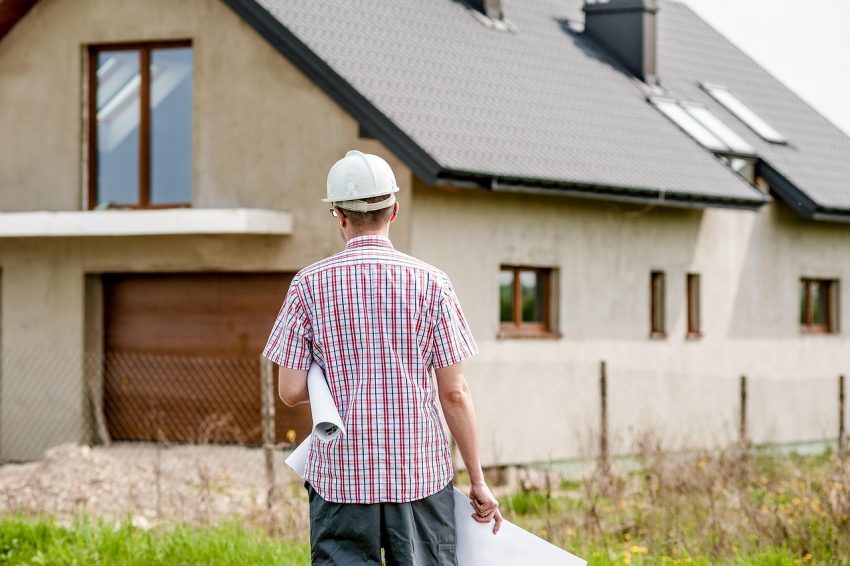
- Plan with Market Trends in Mind: Building a custom home isn’t just personal—it should reflect current trends like open layouts, smart tech, energy efficiency, and flexible spaces to stay relevant and valuable.
- Set a Realistic Budget Early: Include costs for land, construction, permits, finishes, landscaping, and a 10–15% contingency to avoid overspending and delays.
- Choose Location and Team Carefully: The right location impacts lifestyle and resale value, and hiring experienced architects, builders, interior designers, and landscape professionals ensures a smooth project.
- Incorporate Smart, Sustainable, and Flexible Features: Energy-efficient appliances, solar panels, multipurpose rooms, and adaptable layouts make the home comfortable, modern, and future-proof.
- Design for Function, Style, and Resale: Efficient layouts, natural light, durable materials, and outdoor living spaces appeal to both current needs and potential buyers.
- Stay on Budget and Avoid Hidden Costs: Track expenses, avoid last-minute changes, and choose durable materials to prevent surprises and keep the project financially manageable.
- Plan for Long-Term Value and Marketability: Even if building for yourself, incorporating resale-friendly features, modern trends, and professional photography ensures your home maintains value and appeal.
Building a custom home is one of the most exciting and rewarding experiences a homeowner can have. Unlike buying a pre-built house, a custom home allows you to design your living space exactly how you want it—from layout to finishes, and even energy-efficient features. But in today’s fast-changing real estate market, building a custom home isn’t just about personal preferences; it’s about aligning your project with current trends to ensure your home stays relevant, functional, and valuable over time.
In this guide, we’ll explore everything you need to know to build a custom home that not only suits your lifestyle but also matches today’s market expectations.
Why Build a Custom Home in Today’s Market?
With the real estate market evolving rapidly, more homeowners are choosing custom builds over traditional homes. Here’s why:
- Personalization: You have control over every design element, from floor plans to finishes.
- Modern Features: Today’s market demands homes with smart technology, open layouts, and energy-efficient systems.
- Value: Custom homes built with market trends in mind often have higher resale value.
- Sustainability: New builds can incorporate eco-friendly materials and systems that reduce long-term costs.
Building a custom home is about creating a space that’s not only functional and stylish but also appealing to potential buyers in the future.
What Are the Key Trends in Today’s Real Estate Market?
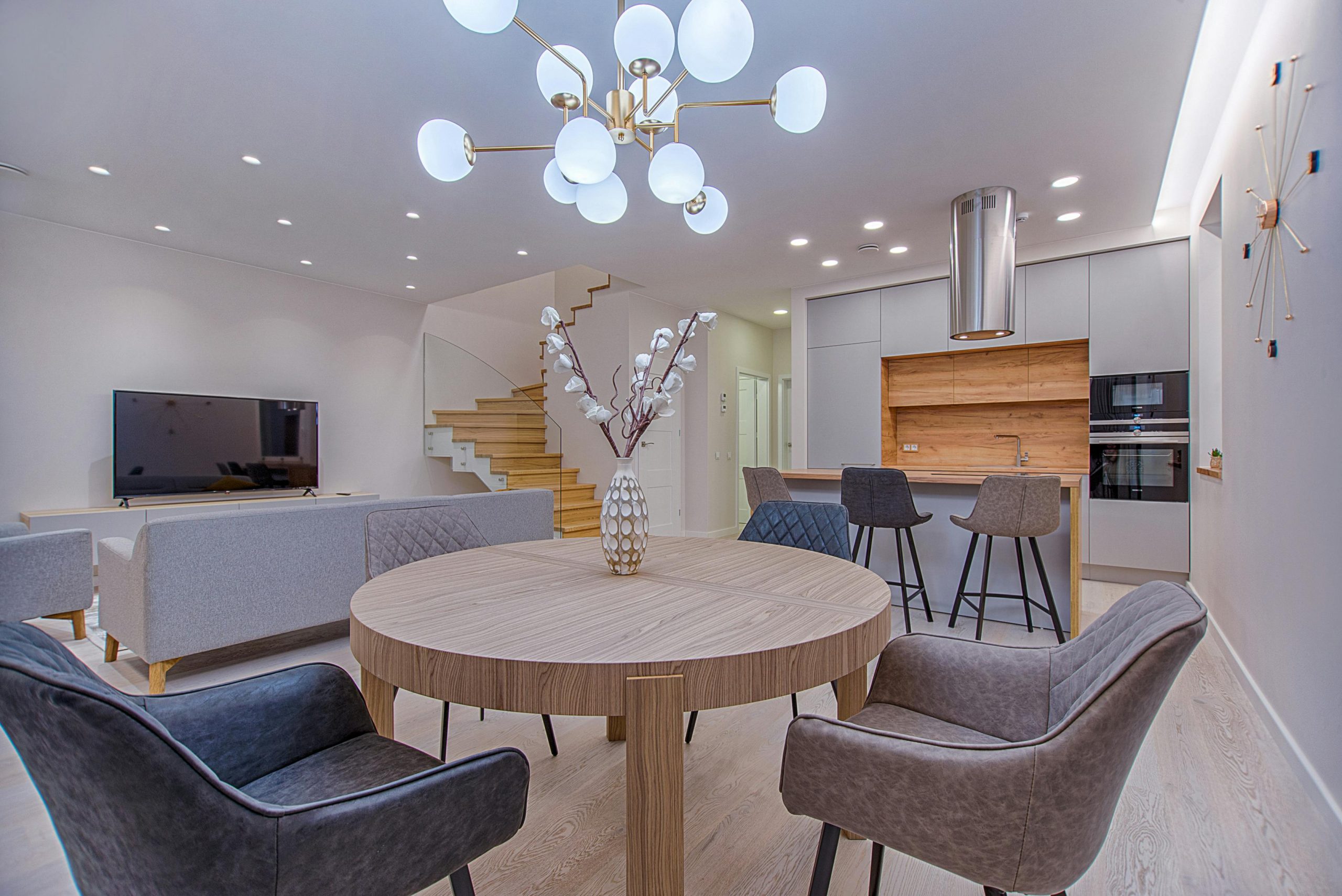
Understanding current real estate trends is crucial when planning a custom home. Here are the major trends influencing home design today:
- Open-Concept Layouts: Buyers favor open kitchens, living areas, and dining rooms that encourage social interaction.
- Smart Home Technology: Security systems, thermostats, lighting, and appliances that can be controlled remotely are increasingly popular.
- Energy Efficiency: Homes with solar panels, efficient insulation, and smart heating/cooling systems are highly sought after.
- Multipurpose Spaces: Flexible rooms for remote work, homeschooling, or fitness are a growing trend.
- Outdoor Living: Decks, patios, and outdoor kitchens are a must-have for entertainment and lifestyle appeal.
- Minimalist Design: Clean lines, neutral palettes, and clutter-free interiors dominate the market.
Incorporating these trends helps your custom home stay modern and attractive, whether you plan to live in it or sell it in the future.
How to Start Planning Your Custom Home
Before breaking ground, you need a clear and detailed plan. A strong foundation in planning ensures your custom home aligns with both your lifestyle and today’s real estate market trends. Here’s a step-by-step guide to get started:
1. Define Your Budget
Your budget is the cornerstone of your custom home project. Every decision—from the size of the home to the finishes you choose—depends on it. When creating your budget, consider the following:
- Land acquisition costs: Depending on location, land prices can vary dramatically. Research neighborhoods, assess market trends, and factor in potential property taxes.
- Construction materials and labor: Quality materials and skilled labor come at a premium. Decide where to splurge and where to save, balancing durability and aesthetics.
- Permits and fees: Building permits, inspections, and impact fees vary by location. Budgeting for these upfront avoids delays and surprise costs.
- Interior finishes and landscaping: Flooring, cabinetry, lighting, and landscaping can add up quickly. Include both essentials and “nice-to-have” upgrades.
- Contingency fund for unexpected expenses: A 10–15% contingency allows for surprises like design changes, material delays, or unforeseen site issues.
Setting a realistic budget early keeps your project on track and prevents costly overspending. Document everything and track expenses from day one.
2. Choose the Right Location
Location affects more than just your commute; it influences your home’s lifestyle, market value, and future resale potential. Consider these factors:
- Proximity to schools, work, and amenities: Even if you love the house, convenience matters for daily living and long-term marketability.
- Neighborhood development trends: Areas with growing infrastructure or revitalization projects often appreciate faster.
- Local zoning laws and building restrictions: Ensure the property allows for your desired home size, layout, and features.
- Environmental factors: Check for flood zones, soil stability, or other natural hazards that could impact construction or insurance.
A well-chosen location balances personal preference with smart investment decisions.
3. Hire Professionals You Can Trust
A custom home project is only as strong as the team behind it. Choose experts with experience, reputation, and transparency:
- Architects or designers: They bring your vision to life and ensure your home’s design meets code requirements.
- Builders experienced in custom homes: A skilled builder executes the vision while managing schedules, labor, and material sourcing.
- Interior designers: These professionals help select finishes, colors, and materials that complement your style and current trends.
- Landscape architects: They create functional outdoor spaces that enhance aesthetics, privacy, and property value.
Check references, tour past projects, and maintain open communication. A strong team reduces stress and prevents costly mistakes.
How to Design a Custom Home That Appeals to Today’s Buyers
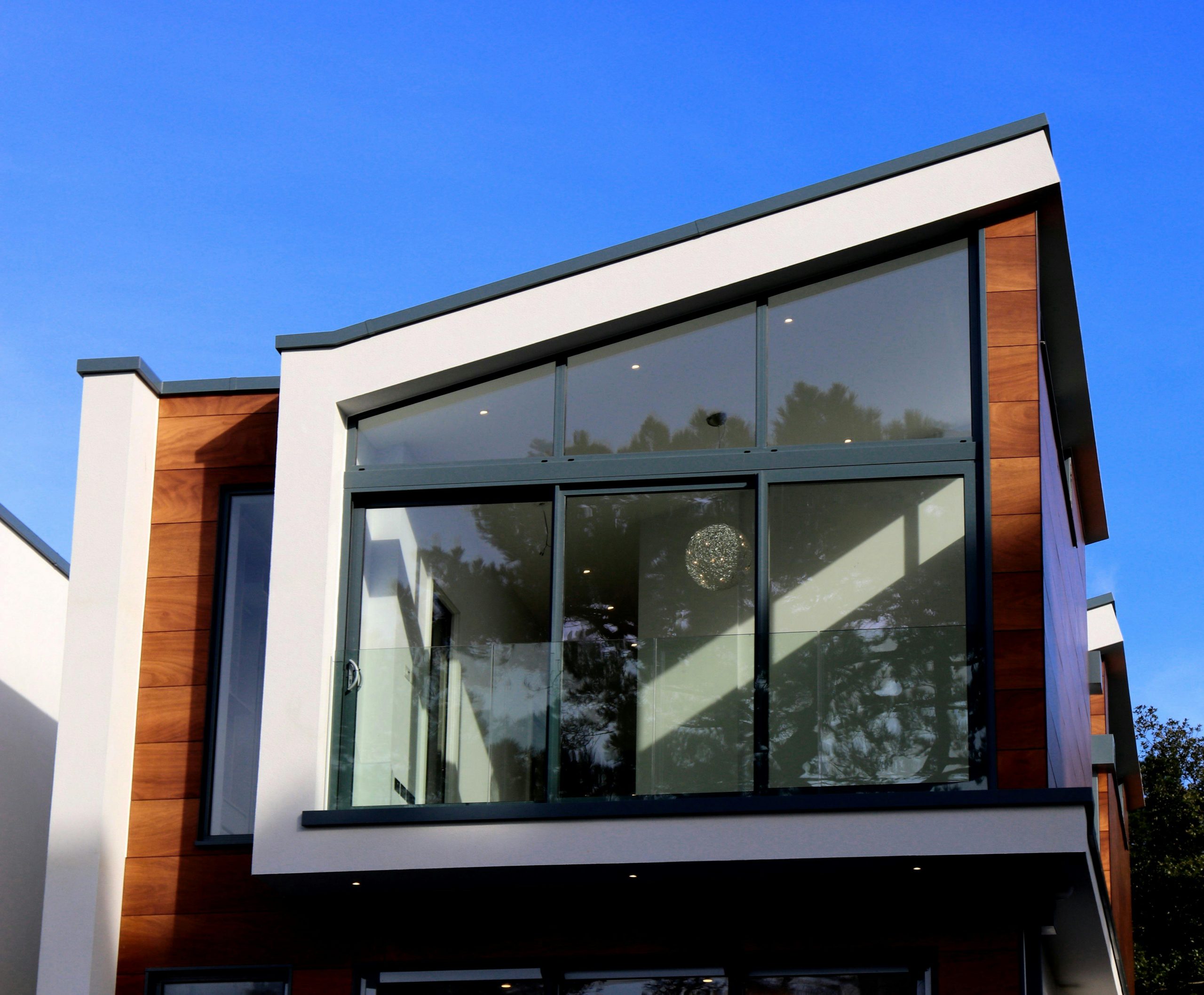
Even if you’re building a home to live in for years, designing with the market in mind adds long-term value.
Layout and Flow
An efficient, open layout is crucial for both lifestyle and resale value:
- Open spaces for kitchen, dining, and living areas encourage social interaction.
- Large windows provide natural light and connect indoor and outdoor spaces.
- Thoughtful traffic flow ensures rooms are functional and easy to navigate.
- Built-in storage reduces clutter, maximizing usable space.
Interior Design Trends
Stay current without compromising your personal style:
- Neutral colors with accent tones: Timeless shades appeal to a wide audience, while accent walls or features add personality.
- Modern fixtures: Sleek cabinetry, faucets, and lighting elevate kitchens and bathrooms.
- Multipurpose rooms: Flexible spaces accommodate home offices, gyms, or hobby areas.
- Durable, low-maintenance materials: High-traffic areas like kitchens, hallways, and bathrooms benefit from resilient finishes.
Smart and Sustainable Features
Incorporating green and tech-forward elements adds comfort and marketability:
- Energy-efficient appliances reduce utility bills and appeal to eco-conscious buyers.
- Smart thermostats, lighting, and security systems offer convenience and control.
- Solar panels or renewable energy sources can reduce dependence on the grid.
- Water-saving plumbing fixtures help conserve resources and lower costs.
These upgrades make your home more comfortable while boosting its resale appeal.
How to Choose the Right Builder for Your Custom Home
Your builder is your partner from concept to completion. Ask these key questions:
- How many custom homes have you built, and can you show examples?
- Can you provide references from past clients?
- Do you handle permits and inspections, or is that my responsibility?
- What is your timeline, and how do you handle delays or setbacks?
- How transparent are your costs, contracts, and change orders?
A builder familiar with market trends ensures your vision is executed efficiently, professionally, and within budget.
How to Incorporate Energy Efficiency Without Sacrificing Style
Energy efficiency is a must for modern homes—but it doesn’t have to mean compromising aesthetics:
- High-performance windows and doors improve insulation and reduce energy loss.
- Energy-efficient HVAC systems provide comfort without high utility costs.
- Solar panels are both functional and attractive when integrated into roof design.
- LED lighting and smart thermostats save energy while enhancing convenience.
- Sustainable or recycled materials for flooring, cabinetry, and finishes offer durability and eco-friendly appeal.
These upgrades save money in the long term and increase your home’s marketability.
How to Plan Outdoor Spaces That Enhance Your Home
Outdoor living is one of the most sought-after features in today’s market. Make your exterior as functional as your interior:
- Outdoor kitchens or dining areas encourage entertaining.
- Fire pits or seating areas create cozy social spaces.
- Landscaping for privacy and curb appeal enhances both enjoyment and property value.
- Multi-use areas allow for gardening, fitness, or play.
Thoughtfully designed outdoor spaces can increase home livability and boost resale value.
How to Navigate Permits and Regulations
Every region has building codes and permit requirements, which must be followed:
- Research zoning laws and restrictions in your area.
- Submit architectural plans for approval.
- Apply for necessary construction permits.
- Schedule inspections at key stages of construction.
- Ensure compliance with safety, environmental, and accessibility regulations.
Hiring a builder familiar with local codes helps streamline this process and prevents delays.
How to Stay on Budget and Avoid Hidden Costs
Even with careful planning, unexpected expenses can arise. To stay on track:
- Include a contingency fund of 10–15%.
- Track expenses weekly and adjust as needed.
- Choose durable, low-maintenance materials to reduce future costs.
- Avoid last-minute design changes, which can be expensive.
Careful budgeting ensures your project remains financially manageable.
How to Incorporate Flexibility for Future Needs
Homes that adapt to changing lifestyles are more valuable:
- Design rooms that serve multiple purposes.
- Include spaces for offices, gyms, or guest accommodations.
- Consider expandable layouts for growing families.
- Build infrastructure for future technology upgrades.
Flexibility ensures your home meets evolving needs without major renovations.
How to Use Interior Trends Without Overdoing It
While trends can inspire, overdoing them can date your home quickly:
- Stick to classic base colors and materials.
- Use trendy elements in small, interchangeable ways.
- Focus on durable finishes for high-traffic areas.
- Choose furniture and décor that can be easily updated.
This approach keeps your home stylish and relevant over time.
How to Market Your Custom Home if You Decide to Sell
Even if you’re building for yourself, planning with resale in mind adds value:
- Highlight energy-efficient and smart features in marketing.
- Showcase open layouts and multipurpose spaces in listings.
- Emphasize high-quality materials and craftsmanship.
- Use professional photography to capture indoor and outdoor spaces.
A market-savvy approach ensures your home attracts buyers and achieves top value.
Common Mistakes to Avoid When Building a Custom Home
Even experienced homeowners make mistakes. Watch out for:
- Underestimating costs and timelines
- Skipping research on builders or materials
- Ignoring resale potential or market trends
- Over-customizing features that appeal only to personal taste
- Forgetting maintenance and energy efficiency
Avoiding these pitfalls helps ensure a smooth project from start to finish.
Final Thoughts
Building a custom home that matches today’s real estate market trends requires careful planning, research, and execution. By understanding current design preferences, incorporating smart and sustainable features, and working with the right professionals, you can create a home that’s not only perfect for your lifestyle but also aligned with market expectations.
Remember, a custom home is an investment—not just in property, but in your quality of life. Keeping trends and flexibility in mind ensures your home remains stylish, functional, and valuable for years to come.