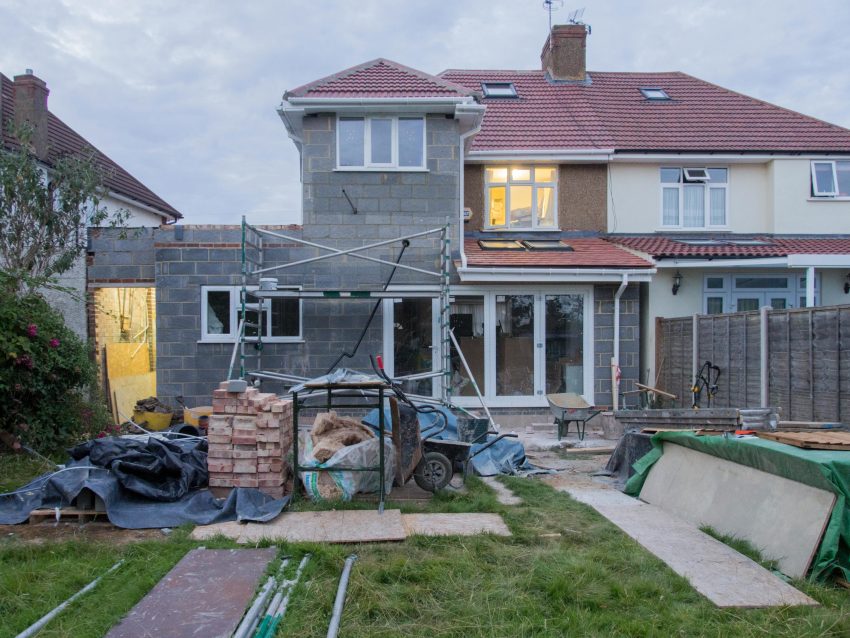
- Custom homes offer a strategic alternative to bidding wars, allowing buyers to avoid overpaying, waiving inspections, or settling for a home that doesn’t fit their needs.
- Building custom provides more control over budget and quality, letting buyers choose where money is spent instead of paying for someone else’s upgrades or hidden repairs.
- Long-term value is a major benefit, since custom homes are built with modern layouts, durable materials, and energy-efficient systems that reduce future maintenance and operating costs.
- Custom construction can expand location options, including building on infill lots, choosing emerging neighborhoods, or selecting land based on privacy, views, and lot size.
- Custom homes match modern lifestyles, offering built-in features like home offices, flexible living spaces, storage solutions, and multi-generational design.
- Energy efficiency and smart home technology are easier to integrate, resulting in lower utility costs and future-ready infrastructure compared to retrofitting older homes.
- Building custom reduces buyer’s remorse and increases satisfaction, because the process is more intentional, transparent, and tailored to long-term needs instead of quick market-driven decisions.
In many housing markets today, buyers are facing low inventory, rising prices, bidding wars, and homes that sell within days—or even hours. For many people, the traditional route of buying an existing house feels more stressful and less rewarding than ever. This is where the benefits of building a custom home become especially relevant.
Instead of competing with dozens of other buyers for the same property, building a custom home offers an alternative path—one that gives you more control, flexibility, and long-term value. In this article, we’ll break down the real-world benefits of building a custom home in today’s competitive real estate market, using practical insights that matter to modern buyers.
Why Is Today’s Real Estate Market So Competitive?
Understanding the current market helps explain why more buyers are turning toward custom home construction. Several factors are driving competition:
- Limited housing inventory in many regions
- High demand from first-time buyers, move-up buyers, and investors
- Rising construction and material costs impacting existing home prices
- Homes selling quickly, often above asking price
- Fewer move-in-ready homes that meet modern expectations
When supply can’t keep up with demand, buyers are often forced to compromise on location, layout, or condition. This environment highlights many of the benefits of building a custom home as a strategic alternative.
What Does Building a Custom Home Really Mean?
Before diving into the advantages, it’s important to clarify what “custom home” actually means. A custom home is typically designed and built specifically for you, rather than selecting a pre-designed model in a large development. This often includes:
- Choosing your own floor plan or modifying one
- Selecting materials, finishes, and features
- Having input on layout, room sizes, and flow
- Building on a lot you own or choose
Unlike production or spec homes, custom homes prioritize personalization and long-term suitability over speed.
Benefits of Building a Custom Home Instead of Buying in a Bidding War
One of the biggest benefits of building a custom home is avoiding the emotional and financial strain of bidding wars. In hot markets, buyers often feel pressured to:
- Offer above asking price
- Waive inspections
- Accept unfavorable terms
- Settle for homes that don’t fully meet their needs
Building a custom home shifts the experience from competition to collaboration. You work with a builder and designer rather than competing with other buyers, which often results in a more controlled and predictable process.
How Does Building a Custom Home Give You Pricing Control?
While building a custom home isn’t always cheaper upfront, it can offer more transparency and control over where your money goes. Instead of overpaying for someone else’s upgrades or renovations, you decide what’s worth investing in.
Some cost-related benefits include:
- Allocating budget to features you value most
- Avoiding inflated resale premiums caused by bidding wars
- Reducing surprise repair costs common with older homes
- Planning upgrades strategically instead of all at once
In competitive markets, buyers often overpay for existing homes simply to secure them. Building allows for smarter financial decision-making.
Benefits of Building a Custom Home for Long-Term Value
Another major benefit of building a custom home is its long-term value potential. When a home is designed for your lifestyle and built with modern standards, it often ages better than older properties.
Long-term value advantages include:
- Modern layouts that remain functional over time
- Energy-efficient systems that reduce operating costs
- Durable materials chosen for longevity
- Fewer immediate renovations after move-in
A well-designed custom home can also hold strong resale appeal, especially as buyers increasingly prioritize efficiency, flexible spaces, and modern features.
Can a Custom Home Help You Get a Better Location?
Location is one of the most competitive aspects of real estate today. Desirable neighborhoods often have limited inventory, making it hard to find a home that checks all the boxes.
The benefits of building a custom home include greater flexibility in location because you can:
- Build on infill lots in established neighborhoods
- Choose emerging areas before prices peak
- Select land based on privacy, views, or lot size
- Avoid settling for a home just because it’s available
While land availability varies by region, custom construction opens up options that buying an existing home may not.
Benefits of Building a Custom Home for Modern Living Needs
Many existing homes were built for lifestyles that no longer match how people live today. Custom homes are designed around current needs, such as:
- Home offices or hybrid workspaces
- Open but functional layouts
- Dedicated storage and organization areas
- Multi-generational living spaces
Instead of renovating an older home to fit modern life, building from scratch ensures the home works for you from day one.
How Does a Custom Home Reduce Maintenance and Repairs?
Older homes often come with hidden issues—outdated wiring, aging plumbing, inefficient insulation, or worn-out systems. One of the practical benefits of building a custom home is starting fresh with new materials and systems.
This typically results in:
- Fewer repairs in the early years
- Updated building codes and safety standards
- Manufacturer warranties on systems and appliances
- Lower maintenance costs overall
In competitive markets, buyers sometimes skip inspections just to win a home, increasing the risk of unexpected expenses later. Custom builds eliminate much of that uncertainty.
Benefits of Building a Custom Home for Energy Efficiency
Energy efficiency is no longer a luxury—it’s an expectation. Custom homes allow you to integrate efficiency into the design rather than retrofitting it later.
Common efficiency advantages include:
- High-performance insulation and windows
- Energy-efficient HVAC systems
- Smart thermostats and lighting
- Better home orientation for natural light
Over time, these features can significantly reduce utility costs, making the benefits of building a custom home extend well beyond move-in day.
Does Building a Custom Home Offer More Design Freedom?
One of the most obvious benefits of building a custom home is design freedom. Instead of adapting to someone else’s layout and style choices, you design a home that reflects your preferences.
Design flexibility includes:
- Custom room sizes and layouts
- Personalized kitchens and bathrooms
- Choice of materials and finishes
- Tailored indoor-outdoor living spaces
In contrast, buying in a competitive market often means compromising on design just to secure a property.
Benefits of Building a Custom Home for Growing or Changing Families

Life changes, and homes should be able to adapt. Custom homes can be designed with flexibility in mind, which is a major advantage in today’s uncertain market.
Future-focused design options include:
- Extra bedrooms or flexible rooms
- Aging-in-place features
- Space for future additions or renovations
- Multi-purpose areas that evolve over time
These features reduce the likelihood of needing to move again in a competitive market later.
How Does a Custom Home Compare to Buying a Fixer-Upper?
Some buyers consider fixer-uppers as an alternative to competitive bidding, but renovations come with their own challenges. The benefits of building a custom home compared to buying a fixer-upper include:
- Clear scope and timeline from the start
- Fewer surprise structural issues
- Unified design rather than piecemeal updates
- Better cost predictability
While fixer-uppers can work for some buyers, custom construction often provides a smoother and more cohesive result.
Benefits of Building a Custom Home for Smart Technology Integration
Smart home features are easier and more affordable to integrate during construction than after the fact. Custom homes can be wired and designed with technology in mind.
This may include:
- Integrated security systems
- Smart lighting and climate control
- Built-in networking for strong connectivity
- Future-ready infrastructure
In competitive markets, many existing homes lag behind in tech readiness, making custom homes more attractive to future buyers as well.
How Does Building a Custom Home Reduce Buyer’s Remorse?
Buyer’s remorse is common in fast-moving markets where decisions are rushed. The benefits of building a custom home include a more intentional and thoughtful process.
Instead of rushing into a purchase, you have time to:
- Evaluate design choices
- Understand costs clearly
- Make informed decisions
- Build confidence in your investment
This often leads to greater satisfaction and fewer regrets after move-in.
Benefits of Building a Custom Home in Low-Inventory Markets
Low inventory is one of the biggest challenges for buyers today. When options are limited, building a custom home creates supply where none existed.
Advantages in low-inventory markets include:
- Reduced competition from other buyers
- Ability to meet your exact needs
- Less pressure to compromise
- More predictable timelines compared to house hunting
In many areas, this is one of the most compelling benefits of building a custom home.
Is Building a Custom Home a Better Long-Term Strategy?
For buyers planning to stay put for many years, building a custom home often makes strategic sense. Long-term benefits include:
- Fewer moves and transaction costs
- Homes designed for lasting comfort
- Strong resale appeal when done thoughtfully
- Better alignment with future lifestyle needs
Rather than constantly adapting to market conditions, a custom home allows you to create stability in an unpredictable environment.
Benefits of Building a Custom Home for Buyers Priced Out of Move-In-Ready Homes
In some markets, move-in-ready homes command significant premiums. Custom construction can sometimes offer a more balanced value proposition, especially when buyers are willing to prioritize essentials over unnecessary upgrades.
This approach allows buyers to:
- Build within a defined budget
- Avoid paying for outdated renovations
- Phase upgrades over time
- Focus spending on quality rather than competition
What Are the Emotional Benefits of Building a Custom Home?
Beyond financial and practical advantages, there are emotional benefits of building a custom home that shouldn’t be overlooked.
Many homeowners value:
- A stronger sense of ownership
- Pride in a one-of-a-kind home
- Confidence in construction quality
- A deeper connection to their space
In a market where buying can feel rushed and impersonal, custom building offers a more meaningful experience.
Are There Any Trade-Offs to Consider?
While the benefits of building a custom home are substantial, it’s important to acknowledge potential trade-offs:
- Longer timelines compared to buying existing homes
- More decisions to make throughout the process
- Need for patience during construction
- Dependence on a reliable builder and team
However, for many buyers, these challenges are outweighed by the long-term advantages.
How to Decide If Building a Custom Home Is Right for You
Building a custom home isn’t for everyone, but it can be an excellent fit if you:
- Feel frustrated with limited inventory
- Want a home tailored to your lifestyle
- Plan to stay long-term
- Prefer quality and customization over speed
Carefully weighing your priorities can help determine whether this path aligns with your goals.
Final Thoughts
In a real estate market defined by competition, scarcity, and rising prices, the benefits of building a custom home stand out more than ever. From avoiding bidding wars to gaining design freedom and long-term value, custom construction offers a compelling alternative to traditional home buying.
While it requires patience and planning, building a custom home allows buyers to step out of the chaos of the market and into a process centered on intention, control, and future-focused living. For many, that shift makes all the difference.