- Design for broad appeal, not just personal style. Choose timeless design and practical layouts that will attract future buyers without feeling too customized or niche.
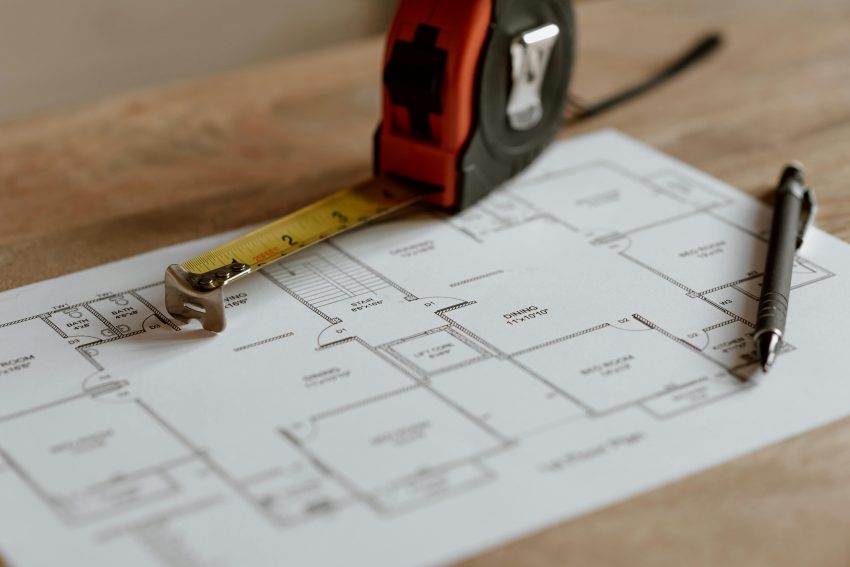
- Focus on function first. A clear, intuitive floor plan with good flow, logical bedroom placement, and easy access between living spaces makes a home more marketable.
- Prioritize flexibility. Include rooms that can adapt over time (office/guest room, bonus room, loft) so the home fits different family needs.
- Stick to marketable bedroom and bathroom counts. Most buyers want at least 3 bedrooms and 2 bathrooms, with a spacious master suite and a guest powder room.
- Choose neutral finishes and quality materials. Neutral palettes, durable flooring, quartz/granite counters, and classic siding keep the home looking fresh for years.
- Make energy efficiency a selling point. High-quality insulation, efficient windows, smart thermostats, and efficient HVAC systems increase comfort and reduce utility costs.
- Avoid overly personalized or high-maintenance features. Bold design choices, niche luxury amenities, and high-maintenance materials can limit resale appeal.
Designing a custom home is one of the most exciting and personal projects a homeowner can undertake. It’s a chance to build the exact space you’ve always wanted, with the layout, finishes, and style that fits your life. But even if you plan to live in the home for years, it’s smart to design with resale value in mind. The truth is that life changes, and the home you love today should still be attractive to buyers down the road.
The goal of designing for resale isn’t to build a “cookie-cutter” house. Instead, it’s about balancing personal preferences with broad market appeal. This means making smart choices in layout, materials, and style that won’t feel dated or overly niche. Here’s how to design a custom home that feels uniquely yours while still being a smart investment.
Why Resale Value Matters Even If You Plan to Stay
You might think resale value only matters if you plan to sell soon, but that’s not the case. Even if you plan to stay in your custom home long-term, life circumstances can change. A new job, family growth, health needs, or relocation can make selling a necessity.
Designing with resale value in mind protects your investment. Custom homes can be expensive, and it’s possible to build a home that only appeals to a small group of buyers. By choosing timeless design and practical features, you ensure your home remains desirable and easier to sell.
What Buyers Really Want: The Basics That Never Go Out of Style
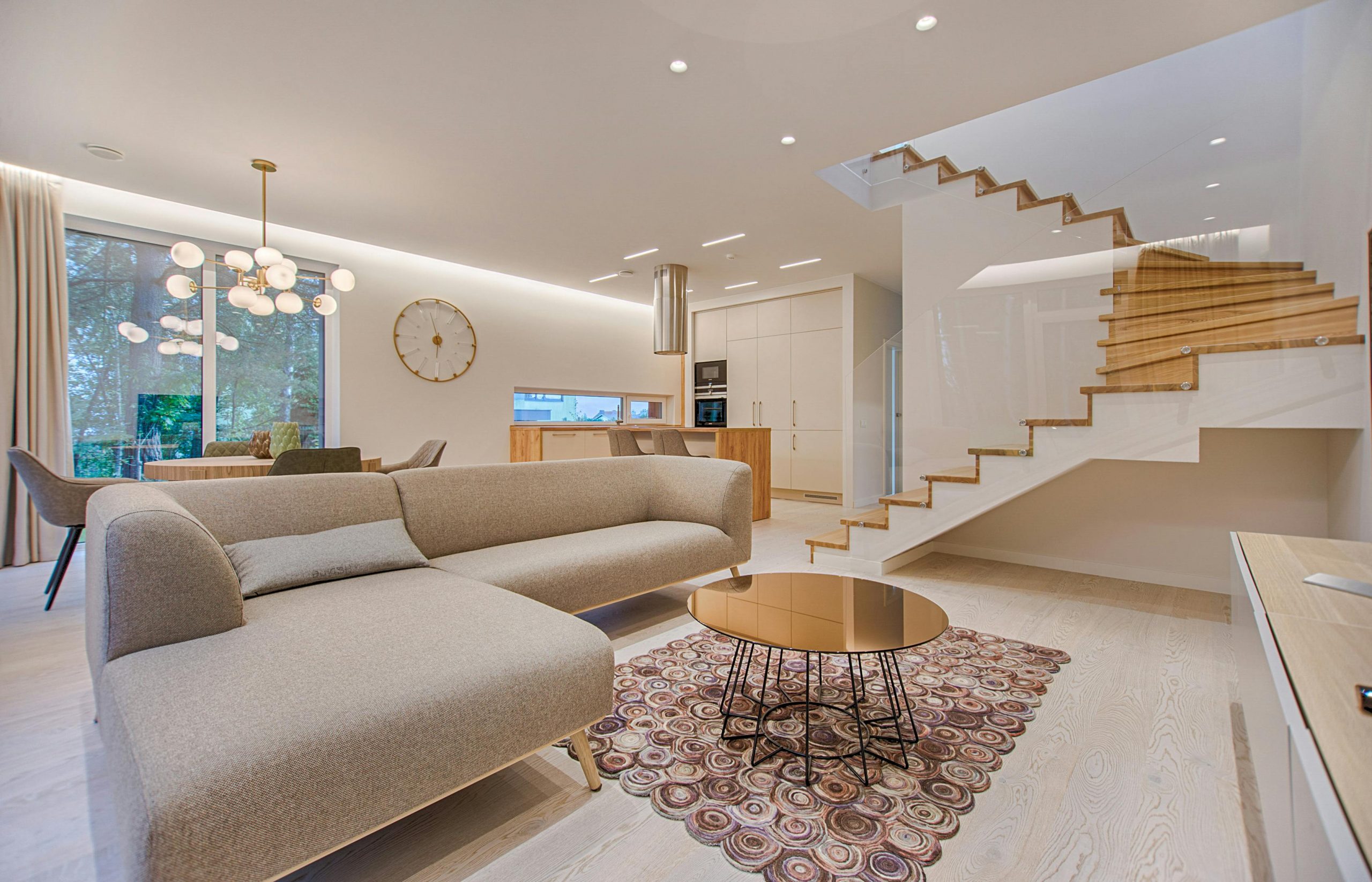
When buyers look at homes, they’re usually thinking about comfort, convenience, and value. Most buyers want a home that feels modern, functional, and low-maintenance. Here are some features that consistently increase resale value:
- Open, functional floor plans
- Natural light and large windows
- Quality materials that age well
- Plenty of storage
- Energy-efficient systems
- A practical number of bedrooms and bathrooms
- A well-designed kitchen
- A strong outdoor living area
If you build a custom home around these core wants, it will be more appealing to future buyers.
How to Choose a Floor Plan That Appeals to Buyers
The floor plan is one of the most important factors in resale value. Even if your home is beautifully designed, a confusing layout can turn buyers away. The best floor plans are simple, intuitive, and flexible.
Focus on Function Over Flair
While unique design can be exciting, it’s better to prioritize function. Buyers want a home that makes sense in daily life. For example:
- The kitchen should be easy to access from the main living area.
- The master suite should feel private and peaceful.
- Bedrooms should be grouped in a logical way.
- Traffic flow should be smooth and natural.
Consider Flex Rooms
Not everyone wants a formal dining room or a home office, but buyers appreciate flexible spaces. Rooms that can adapt over time are a huge selling point.
- A room that can serve as an office, guest room, or playroom
- A basement or bonus room that can become a gym, media room, or second living space
- A loft that can work as a study or hobby area
The more flexible your home is, the broader the buyer pool will be.
How to Choose the Right Number of Bedrooms and Bathrooms
This is one of the most practical decisions that affect resale value. It’s easy to over-customize here, but you want to stick to what most buyers expect.
What’s Most Marketable?
A home with at least three bedrooms and two bathrooms is typically the most attractive to buyers. If your home is larger, a 4-bedroom layout is often the sweet spot.
When it comes to bathrooms, buyers like:
- A full bathroom for each bedroom when possible
- A powder room for guests
- A master bathroom that feels spacious but not overly luxurious
Avoid adding too many highly customized bathrooms that may not fit everyone’s taste. Keep it elegant and functional.
How to Pick Timeless Style Instead of Trends
Trends come and go, but timeless design stays attractive for years. When designing a custom home with resale value in mind, aim for classic styles with modern updates.
Choose a Neutral Palette
Neutral colors tend to appeal to more buyers because they feel clean and modern. A neutral base allows buyers to imagine their own style in the home. Consider:
- White or soft gray walls
- Natural wood tones
- Neutral countertops like quartz or granite
- Classic tile choices for bathrooms and kitchens
Avoid Overly Unique Features
While unique design can be fun, it can also limit resale value. Bold colors, unconventional room shapes, or overly specific themes can turn buyers away. Instead, keep the major design elements simple and timeless, then add personality through:
- Lighting fixtures
- Hardware and finishes
- Window treatments
- Accent walls or artwork
This way, your home stays stylish without alienating future buyers.
How to Design a Kitchen That Adds Value
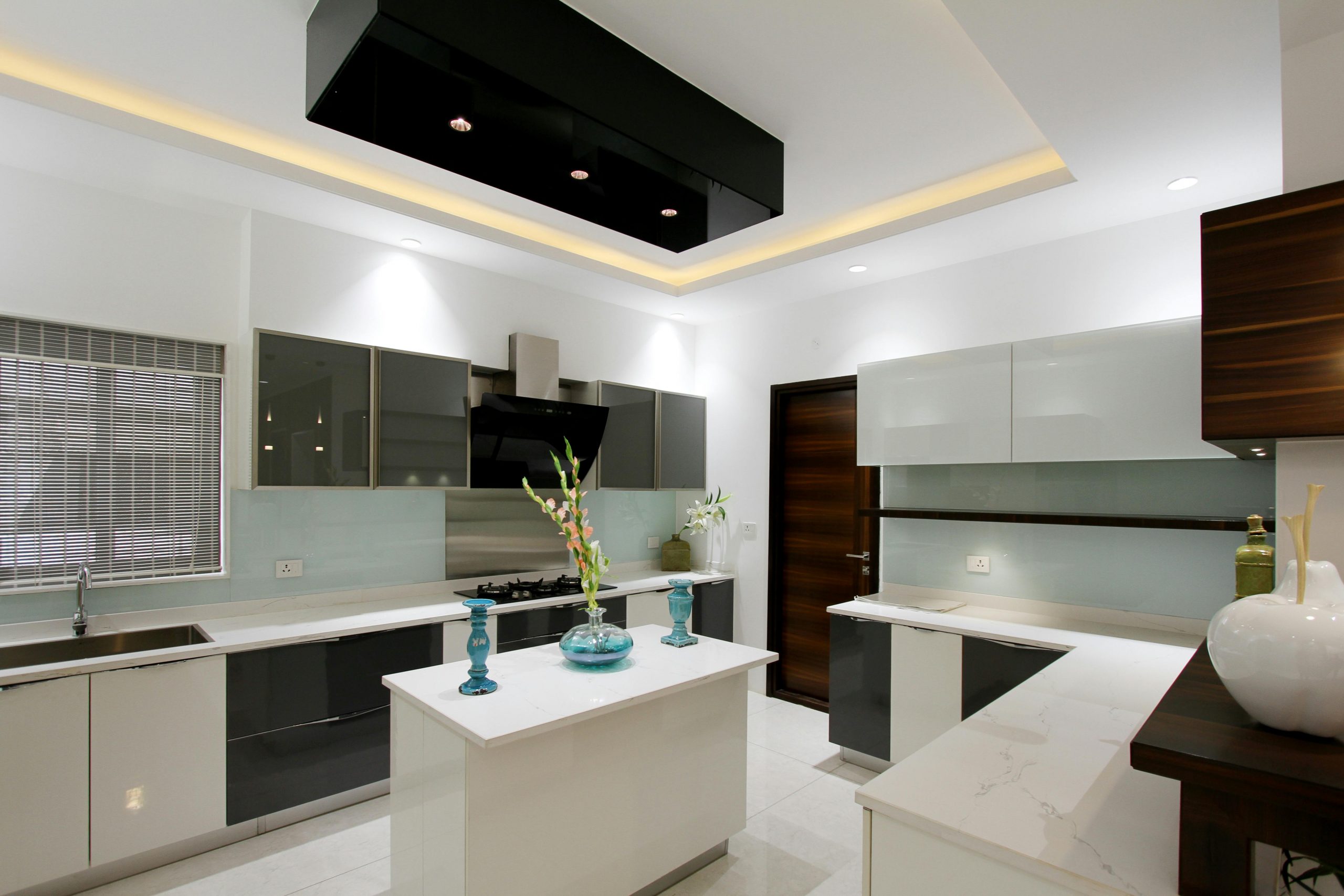
The kitchen is often the heart of a home, and it’s also one of the biggest factors in resale value. A well-designed kitchen can significantly increase a home’s appeal.
What Buyers Look For in a Kitchen
- A functional layout (work triangle)
- Plenty of counter space
- Ample storage and pantry space
- Durable, modern materials
- A clean, bright look
- High-quality appliances
Avoid Overbuilding the Kitchen
It can be tempting to go all out with luxury appliances and custom features, but the best kitchens for resale strike a balance between quality and practicality. Avoid overly customized layouts or ultra-high-end finishes that may not match buyers’ budgets.
How to Create a Strong Outdoor Living Space
Outdoor living has become a major selling point. Buyers love a space that feels like an extension of the home. Designing a practical outdoor area adds both enjoyment and value.
Outdoor Features That Add Resale Value
- Covered patio or deck
- Outdoor kitchen or grilling area
- Fire pit or outdoor fireplace
- Easy access from the kitchen
- Landscaped yard with low-maintenance plants
- A well-designed walkway and entry
Outdoor spaces should be functional and easy to maintain. Avoid overly complex landscaping or features that require constant upkeep.
How to Balance Personal Style with Buyer Appeal
One of the biggest challenges in custom home design is balancing what you want with what future buyers might want. The best approach is to keep major design decisions neutral and timeless, while adding your personal touch in smaller, changeable ways.
Add Personality in Ways That Can Be Updated
Consider personal touches that are easy to change later:
- Paint colors (you can repaint)
- Light fixtures (easy to swap)
- Rugs and textiles
- Decorative tile accents
- Hardware and cabinet handles
These details can make your home feel unique without limiting resale value.
How to Avoid Costly Customization Mistakes
Some custom home choices can actually reduce resale value. Avoid these common mistakes:
- Overly specialized rooms (like a home theater with no flexibility)
- Odd layouts that reduce flow
- Excessive personalization in the master suite
- Highly unusual exterior designs
- Too many bold color choices
- Very high-maintenance materials
The goal is to design a home that feels like it belongs in the neighborhood and appeals to a wide range of buyers.
How to Make Your Home Energy Efficient (Buyers Care More Than You Think)
Energy efficiency is a major selling point today. Buyers are looking for homes that are comfortable and cost-effective to run. Designing your custom home with energy efficiency in mind can increase resale value and lower long-term costs.
Energy-Saving Features That Add Value
- High-quality insulation
- Energy-efficient windows
- Smart thermostats
- LED lighting
- Efficient HVAC systems
- Solar panels (if the market supports it)
- Proper ventilation and air sealing
Energy-efficient homes are more attractive because they lower monthly costs and reduce environmental impact.
How to Pick Materials That Age Well
Materials matter when it comes to resale. Some materials look great when new but show wear quickly. Others remain beautiful for decades.
Materials That Hold Up Over Time
- Hardwood or high-quality engineered wood floors
- Quartz or granite countertops
- Durable tile in bathrooms
- Classic siding materials (stone, brick, fiber cement)
- Metal roofing or high-quality shingles
Avoid materials that are trendy or difficult to maintain, like certain specialty stones, low-grade vinyl, or overly customized surfaces.
How to Plan for Future Flexibility
The best custom homes are flexible. A home that can adapt to changing needs will always have strong resale value.
Design for Future Changes
- A room that can become a nursery, office, or guest room
- Space for an additional bathroom if needed
- A garage that can be converted into a workshop or living space
- Extra wiring for future smart home upgrades
- A basement or attic that can be finished later
Flexibility makes a home more appealing because it can grow with the buyer.
How to Choose the Right Neighborhood and Lot
Even the best-designed home can struggle if it’s in the wrong location. Resale value is strongly influenced by neighborhood and lot features.
What Buyers Look for in Location
- Good school district
- Easy access to shopping, parks, and amenities
- Low traffic and safe streets
- A lot with good drainage and sun exposure
- A neighborhood with consistent home values
A well-designed home in a strong neighborhood will almost always perform better in resale.
What to Do If You Want Luxury Features
Luxury features can add value, but only if they fit the home and market. The key is to choose upgrades that feel valuable to most buyers.
Luxury Features That Often Add Value
- High-quality kitchen upgrades
- A well-designed master suite
- Spa-like bathrooms
- High-end flooring and finishes
- Outdoor living spaces
- Smart home technology
Luxury Features to Be Careful About
- Overly personalized luxury items
- Excessive use of bold materials
- Features that require high maintenance
- Very niche amenities (like a wine room or bowling alley)
Luxury can be valuable if it’s done in a way that feels widely appealing.
Conclusion: Designing a Custom Home That Holds Value
Designing a custom home is a rare opportunity to build a space that fits your life perfectly. But it’s also a major investment. If you want your home to hold value and appeal to buyers in the future, focus on timeless design, practical layouts, and quality materials.
The best custom homes are those that feel personal but not restrictive. By prioritizing flexibility, functionality, and neutral style, you can create a home that you love today and that future buyers will still want tomorrow.
If you’re planning a custom home build, think of resale value as a smart safety net. You may never need it, but when the time comes, you’ll be glad you designed with the future in mind.