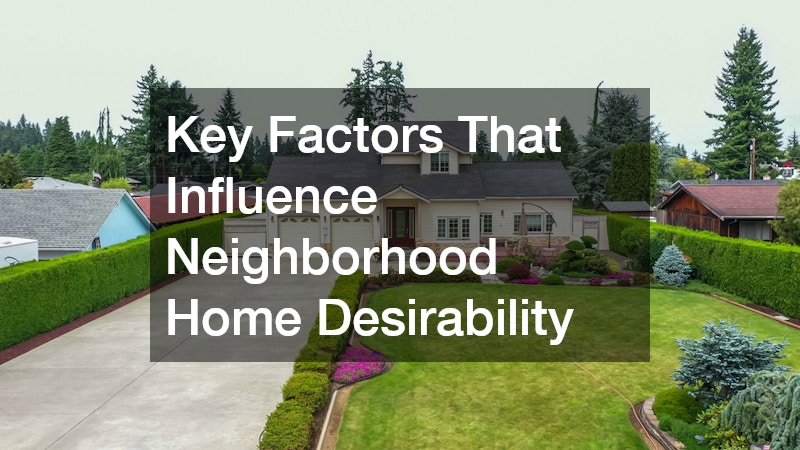
When people evaluate where to live, they rarely focus on a single feature. Instead, neighborhood desirability is shaped by a combination of comfort, convenience, education access, housing condition, and lifestyle opportunities. These factors collectively influence not only daily quality of life but also long-term property value and resale potential.
Buyers tend to ask questions like: Is the area well-maintained? Are essential services nearby? Does the home feel updated and efficient? Is it a good place to raise a family or invest long term? The answers to these questions often matter more than the home itself.
A desirable neighborhood usually reflects a balance of practical infrastructure and lifestyle perks. In the sections below, we break down the most important influences on neighborhood appeal and offer actionable insights for homeowners and buyers alike.
Home Efficiency and Comfort Systems
One of the most overlooked yet important factors in neighborhood desirability is the overall efficiency and comfort of homes in the area. HVAC systems play a major role in how livable a property feels year-round. In regions with extreme seasonal changes, a reliable system is not just a convenience but a necessity that directly affects daily comfort, indoor air quality, and even health outcomes for residents.
Older systems can lead to higher energy bills, inconsistent temperatures, and frequent repairs, all of which reduce buyer confidence. On the other hand, updated systems signal that homes have been well cared for and are easier to maintain. Buyers often associate modern systems with lower risk, fewer surprise expenses, and better overall construction standards throughout the property.
In addition, energy efficiency has become a growing priority as utility costs rise. Homes that maintain stable temperatures without overworking the system are increasingly attractive to both buyers and renters. This also contributes to a stronger perception of the neighborhood as forward-thinking and well-maintained.
Key considerations for homeowners and buyers include:
- Age and condition of heating and cooling systems
- Energy efficiency ratings and monthly utility costs
- Frequency of maintenance or repair history
- Noise levels and overall performance stability
- Availability of smart thermostats or automated climate control features
- Air filtration quality and ventilation effectiveness
Neighborhoods with consistently updated systems tend to attract more serious buyers because they suggest lower long-term ownership costs and fewer unexpected expenses. This contributes to stronger demand and more stable home values over time. Over the long run, areas where homes prioritize efficiency often develop reputations for quality living, which helps sustain property appreciation even during slower market cycles.
Education Access and Family-Oriented Living

Education access is one of the strongest drivers of neighborhood desirability, especially for families planning long-term residency. Areas with strong early and private education options tend to see higher demand and more competitive housing markets. In many cases, school access can outweigh even home size, layout, or renovation quality because it directly impacts a child’s daily life and long-term development.
Access to quality educational institutions often shapes buying decisions more than home features themselves. Families prioritize convenience, safety, and academic reputation when selecting where to live. Short commute times to schools reduce daily stress, while strong academic environments give parents confidence in their long-term investment in both education and property.
Neighborhoods with strong education systems also tend to foster more active community networks. Parents frequently engage in school events, volunteer opportunities, and local organizations, which naturally strengthens neighborhood relationships and improves overall safety perception.
In evaluating education-focused neighborhoods, consider:
- Availability and proximity of local preschools
- Reputation and curriculum quality of a local private school
- Enrollment demand and waitlist trends
- Community involvement in school activities
- After-school programs and enrichment opportunities
- Transportation options such as walking routes or school buses
Neighborhoods with strong early education networks often attract younger families, which helps stabilize housing demand. These areas also tend to experience better long-term appreciation due to sustained interest from incoming buyers. Over time, this consistent demand creates a more predictable real estate market, reducing volatility even during broader economic shifts.
A strong education ecosystem also encourages community engagement, which enhances neighborhood cohesion and overall livability. As families settle in and remain for several years, they contribute to a stable, invested population that supports local businesses, maintains property standards, and reinforces the neighborhood’s long-term desirability.
Long-Term Academic Stability and Community Value
Beyond early education, secondary schooling plays a significant role in shaping neighborhood desirability. A well-rated high school often acts as an anchor for property values and community reputation. These institutions tend to define how outsiders perceive an entire area, influencing both buyer interest and long-term investment confidence. In many cases, a strong high school district can sustain housing demand even when other market conditions weaken.
Families with older children or long-term planning priorities often place school district quality at the center of their housing decisions. Even buyers without children may consider school quality because it impacts resale value. A home in a highly regarded school district is typically easier to sell and may command higher offers due to sustained demand from incoming families.
Strong high schools also contribute to community pride and involvement. Sporting events, academic competitions, and local programs often bring residents together, reinforcing a sense of identity and connection within the neighborhood.
When evaluating a neighborhood, pay attention to:
- Graduation rates and academic performance trends
- Extracurricular opportunities and student engagement
- College readiness programs and outcomes
- Stability of enrollment and district funding
- Teacher retention rates and staff qualifications
- Availability of advanced placement or specialized academic tracks
Neighborhoods with strong academic institutions tend to maintain consistent demand even during broader market fluctuations. This stability makes them attractive not only to families but also to long-term investors seeking reliable appreciation. Over time, these areas often experience slower decline in property values during downturns and faster recovery during market improvements.
In addition, strong secondary schools often encourage long-term residency. Families are more likely to stay in place to avoid disrupting education continuity, which reduces turnover and contributes to a more stable, established community environment.
Structural Upgrades That Signal Property Care
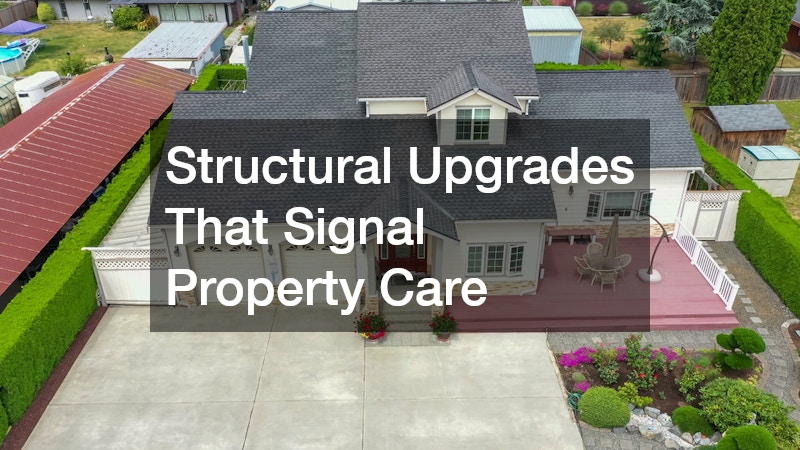
The condition of visible structural elements in homes has a direct impact on neighborhood desirability. Buyers often judge entire neighborhoods based on how well individual homes are maintained, and these first impressions can shape their willingness to explore properties further or make competitive offers. A neighborhood with consistently well-kept exteriors tends to be perceived as safer, more stable, and better managed overall.
Two major indicators of property care include window systems and roofing condition. Homes that have been properly updated tend to stand out and elevate the perception of the entire area. Even a few neglected properties can lower perceived value across an entire street, while consistent upgrades can lift neighborhood appeal significantly.
Beyond aesthetics, structural improvements also communicate financial responsibility and long-term planning by homeowners. Buyers interpret these upgrades as evidence that fewer major repairs will be needed in the near future, which reduces uncertainty during the purchasing process.
Important upgrade considerations include:
- Energy efficiency and insulation performance
- Age and durability of exterior materials
- Visual consistency across neighboring homes
- History of repairs and replacements
- Compliance with modern building standards and codes
- Resistance to weather-related wear and seasonal damage
Modern custom vinyl replacement windows are often seen as a strong upgrade because they improve insulation, reduce noise, and enhance curb appeal. They also signal that a homeowner has invested in long-term efficiency rather than short-term fixes. In addition, these windows can help maintain more consistent indoor temperatures, which adds to overall comfort and lowers utility costs.
Similarly, roofing replacement is a critical factor in buyer confidence. A well-maintained roof reduces concerns about leaks, structural damage, and future repair costs, all of which heavily influence purchasing decisions. Roof condition is often one of the first things inspectors evaluate, making it a major determinant of negotiation outcomes and final sale price.
Lifestyle Convenience and Local Dining Culture
Neighborhood desirability is not only about homes— it is also about lifestyle convenience. Access to everyday amenities such as dining options significantly impacts how people experience their community. For many buyers, the ability to step outside and quickly access food, coffee, or casual meeting spots is a key quality-of-life factor that influences long-term satisfaction with a location.
A strong local dining scene often indicates a healthy, active neighborhood with economic diversity and walkability. Areas with thriving food options typically support other small businesses as well, creating a ripple effect that strengthens the local economy. This contributes to a sense of vibrancy and stability that appeals to both residents and investors.
Walkability is especially important because it reduces dependence on vehicles and encourages more social interaction between neighbors. Streets with consistent foot traffic tend to feel safer and more welcoming, which further increases perceived desirability.
When evaluating lifestyle convenience, consider:
- Variety and quality of nearby dining options
- Walkability and accessibility of food establishments
- Presence of locally owned versus chain establishments
- Community events centered around food and gathering spaces
- Hours of operation and late-night accessibility
- Diversity of cuisine options reflecting community demographics
Neighborhoods with a strong selection of restaurants tend to attract younger professionals and families who value convenience and social opportunities. This creates a more vibrant community atmosphere and increases overall demand for housing in the area. Over time, these neighborhoods often develop a distinct identity, where dining and social culture become central to the community experience.
In addition, areas with established dining scenes often see more consistent real estate appreciation because they remain desirable even as trends shift. The combination of convenience, culture, and accessibility makes these neighborhoods resilient and attractive across different buyer segments.
Kitchen Quality and Interior Appeal

Interior home features also play a major role in shaping neighborhood perception. Kitchens, in particular, are one of the most influential spaces when it comes to buyer decision-making. In many cases, the kitchen becomes the emotional center of the home, where buyers imagine daily routines, gatherings, and long-term living comfort. Because of this, it often carries more weight than other rooms during property evaluations.
A well-designed kitchen suggests a well-maintained home and often becomes a focal point during property tours. Buyers tend to associate kitchen quality with the overall condition of the property, assuming that if the kitchen is updated and functional, the rest of the home is likely cared for as well. This perception can significantly influence offers and negotiation outcomes.
Modern buyers are especially focused on functionality as much as aesthetics. Open layouts, efficient storage solutions, and durable materials all contribute to a sense of usability that supports long-term satisfaction.
Key factors that influence kitchen appeal include:
- Durability and style of kitchen countertops
- Functionality and layout of workspace areas
- Quality of fixtures and materials
- Ease of maintenance and cleaning
- Storage capacity and cabinet organization
- Lighting quality and visibility in work areas
An engineered stone sink is often viewed as a premium feature because it combines durability with a modern aesthetic. It resists stains, handles heavy use, and complements contemporary kitchen designs. It also reduces maintenance needs, which is appealing to buyers looking for convenience and long-term reliability.
Together, upgraded countertops and high-quality sink materials create a cohesive, attractive kitchen environment that significantly boosts perceived home value. When combined with thoughtful layout design and durable finishes, these features help position both the home and the surrounding neighborhood as modern, desirable, and well-maintained.
Outdoor Security and Property Presentation

Outdoor features play a critical role in first impressions, which heavily influence neighborhood desirability. Buyers often form opinions about an entire community based on curb appeal and visible maintenance standards.
One of the most important exterior elements is boundary design and security. A well-maintained exterior suggests safety, privacy, and pride of ownership.
Key considerations include:
- Condition and durability of perimeter structures
- Visual consistency with surrounding properties
- Level of privacy provided to homeowners
- Ease of access and security functionality
Fence gates are particularly important because they combine function and aesthetics. Well-designed gates enhance security while also contributing to curb appeal. In neighborhoods where exterior maintenance is consistent, overall property values tend to remain stronger and more stable.
Neighborhood desirability is shaped by a combination of infrastructure, education access, home condition, and lifestyle convenience. No single factor determines value on its own; instead, it is the interaction of multiple elements that creates a strong, attractive community.
From energy-efficient systems and quality school access to well-maintained homes and vibrant local amenities, each component contributes to how buyers perceive and value a neighborhood. Understanding these factors allows homeowners to make smarter improvement decisions and helps buyers identify areas with strong long-term potential.
Ultimately, the most desirable neighborhoods are those that balance comfort, practicality, and livability in a way that supports both daily life and future investment value.